Professional Waterproofing Installation and Repair Services in Singapore

Water damage is one of the most frustrating problems a property owner can face. A small leak left untreated can quietly damage walls, floors, ceilings, and the concrete structure beneath – costing far more to fix later than to address early. Waterproofing services in Singapore are designed to prevent exactly that.

AR Tech Renovation provides professional waterproofing services for homes, condominiums, commercial buildings, and industrial facilities across Singapore. Whether you’re dealing with an active leak or protecting a newly renovated area, we help you find the right solution and apply it correctly – so it holds.

Trusted Waterproofing Contractor in Singapore

Choosing a waterproofing contractor in Singapore means trusting someone with the long-term health of your property. A poorly applied membrane or a missed hairline crack can mean water finds its way through within months. That’s why the quality of the contractor matters as much as the product used.


Our team understands Singapore’s climate. Heavy rainfall, high humidity, and temperature shifts put constant pressure on concrete, sealant joints, and waterproof membranes. We’ve worked across HDB flats, condominiums, landed properties, and commercial buildings – so we understand how water behaves differently in each setting.

We don’t guess. Before recommending any treatment, we assess the affected area properly. If there’s active seepage, we locate the source first. Our team communicates clearly about what we find, what we recommend, and why – without pushing unnecessary work.

Every job is carried out by our own trained installers. We don’t subcontract our waterproofing work. That means we’re accountable for what goes on the wall, the floor, or the roof – and we stand behind it.

Our Waterproofing Services in Singapore

Bathroom Waterproofing

Bathroom waterproofing protects the floor, walls, and wet areas of your bathroom from water seepage into the concrete slab. We apply liquid-applied membranes and waterproof coatings suitable for internal wet areas, helping prevent damage to the rooms below and avoiding costly floor tile hacking where possible.
Roof Waterproofing

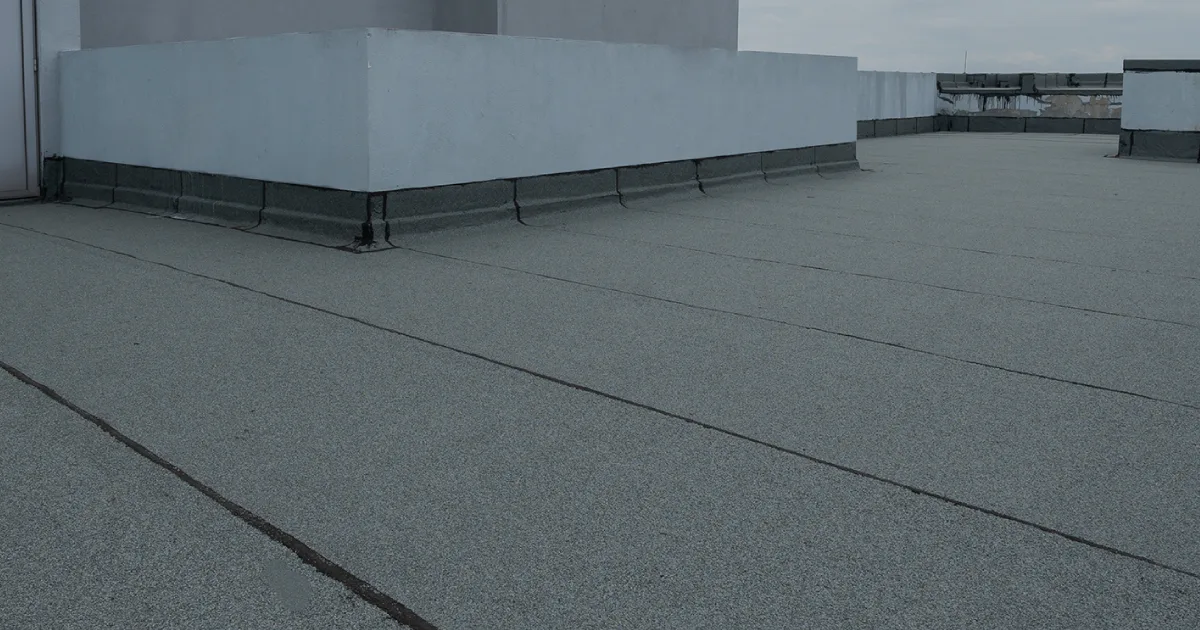
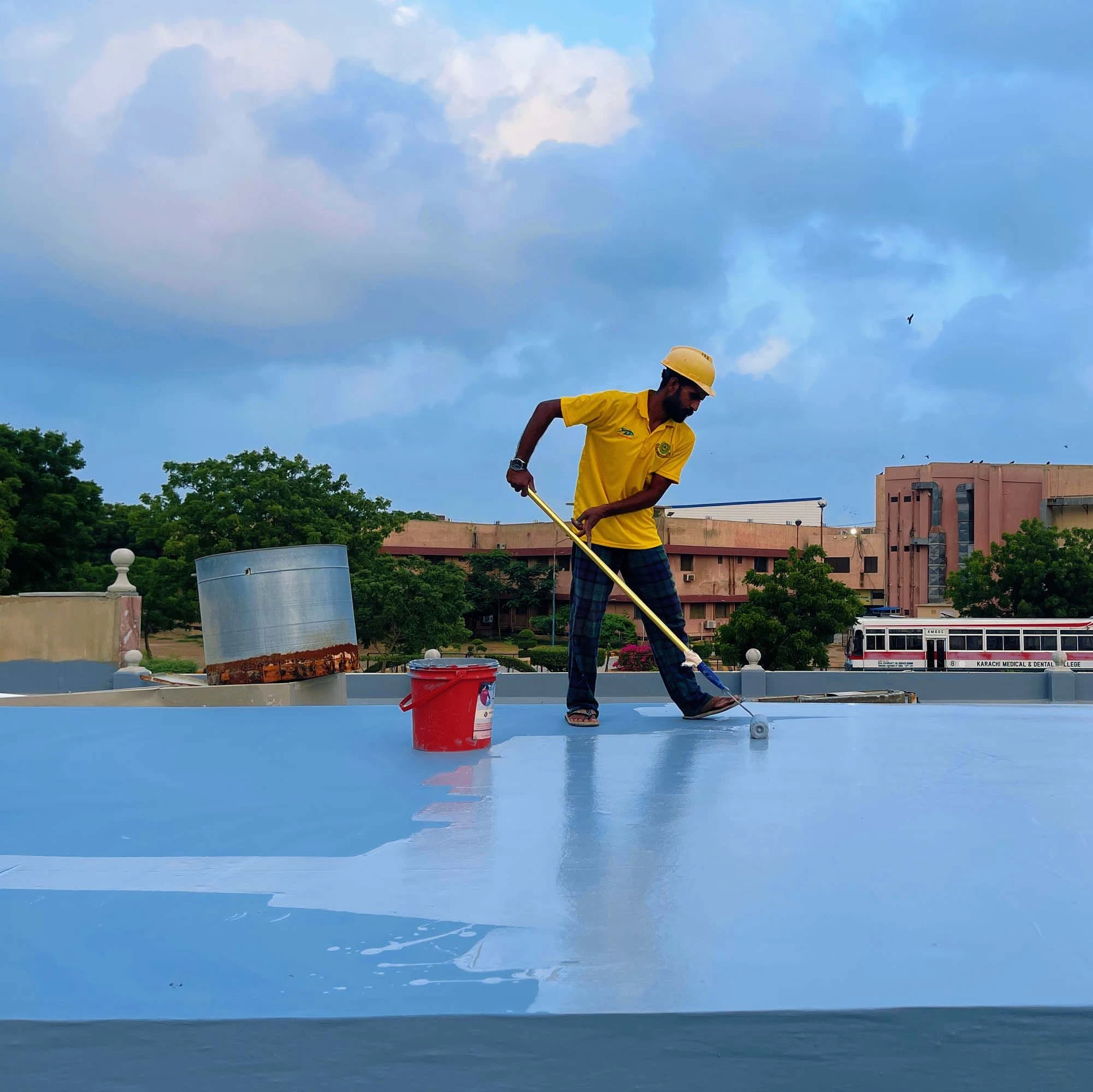
Roof waterproofing in Singapore covers concrete roofs, reinforced concrete slabs, and exposed roof terraces. These surfaces face direct rain, UV exposure, and thermal movement - all of which degrade waterproofing layers over time. We install suitable membrane systems and protective coatings to prevent water ingress through the roof structure.
Balcony Waterproofing

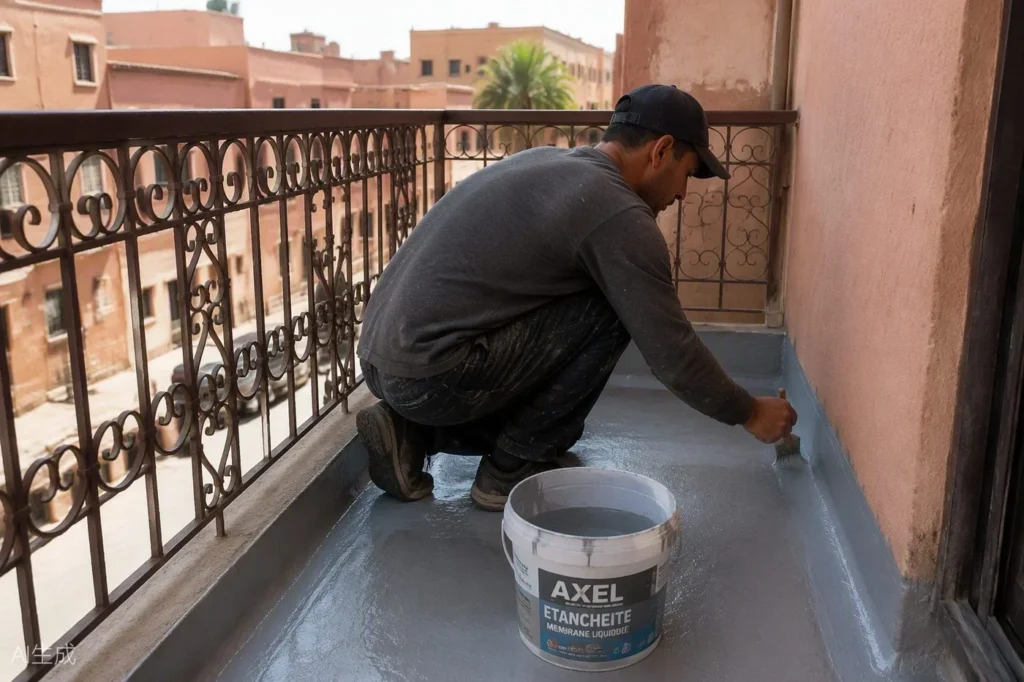
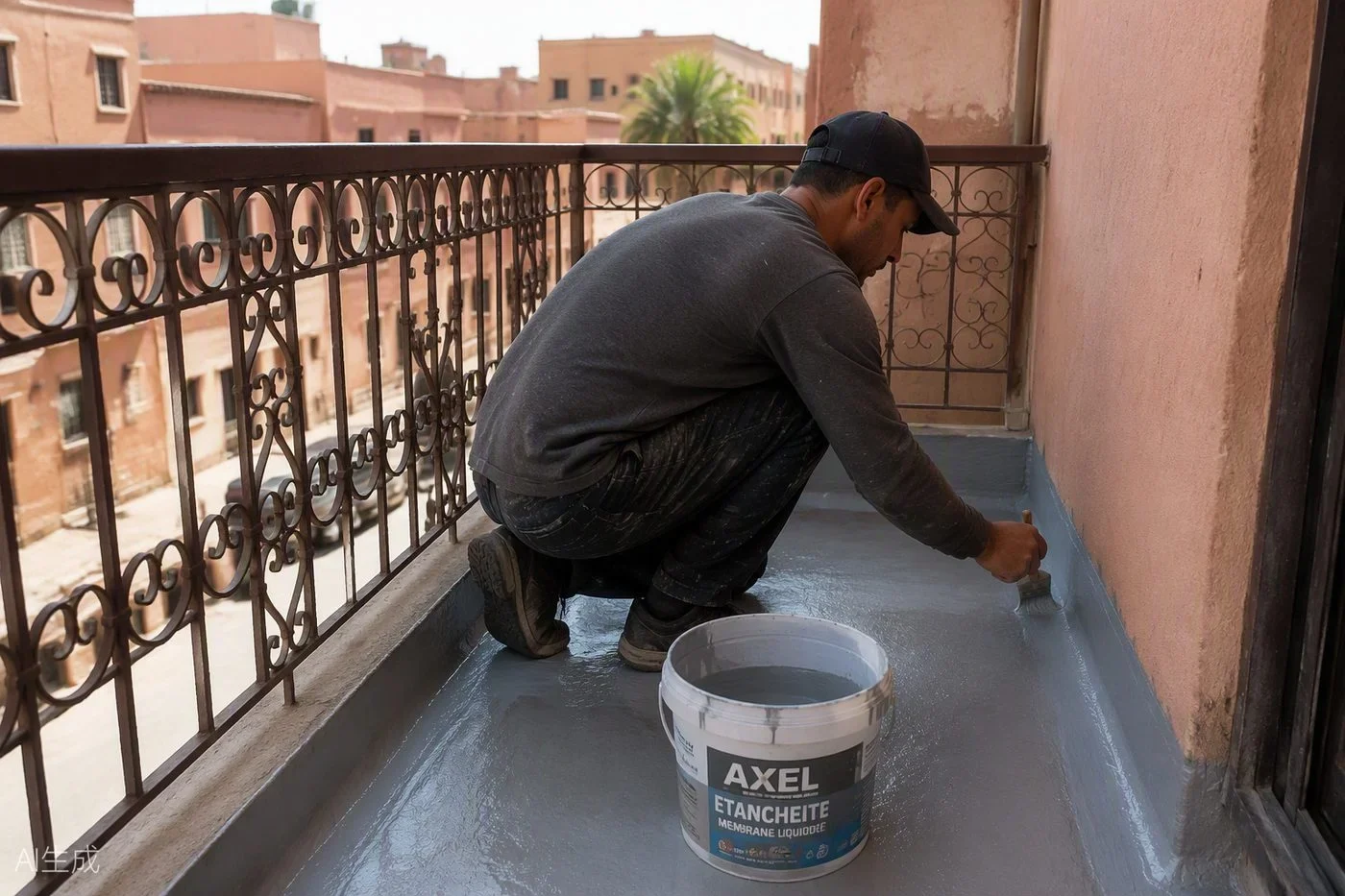
Balconies are exposed to rain and collect standing water easily. Balcony waterproofing involves sealing the floor surface, drainage points, and the joint where the balcony meets the external wall. Proper drainage slope and joint sealing are critical to preventing leaks into rooms below.
Wall Waterproofing

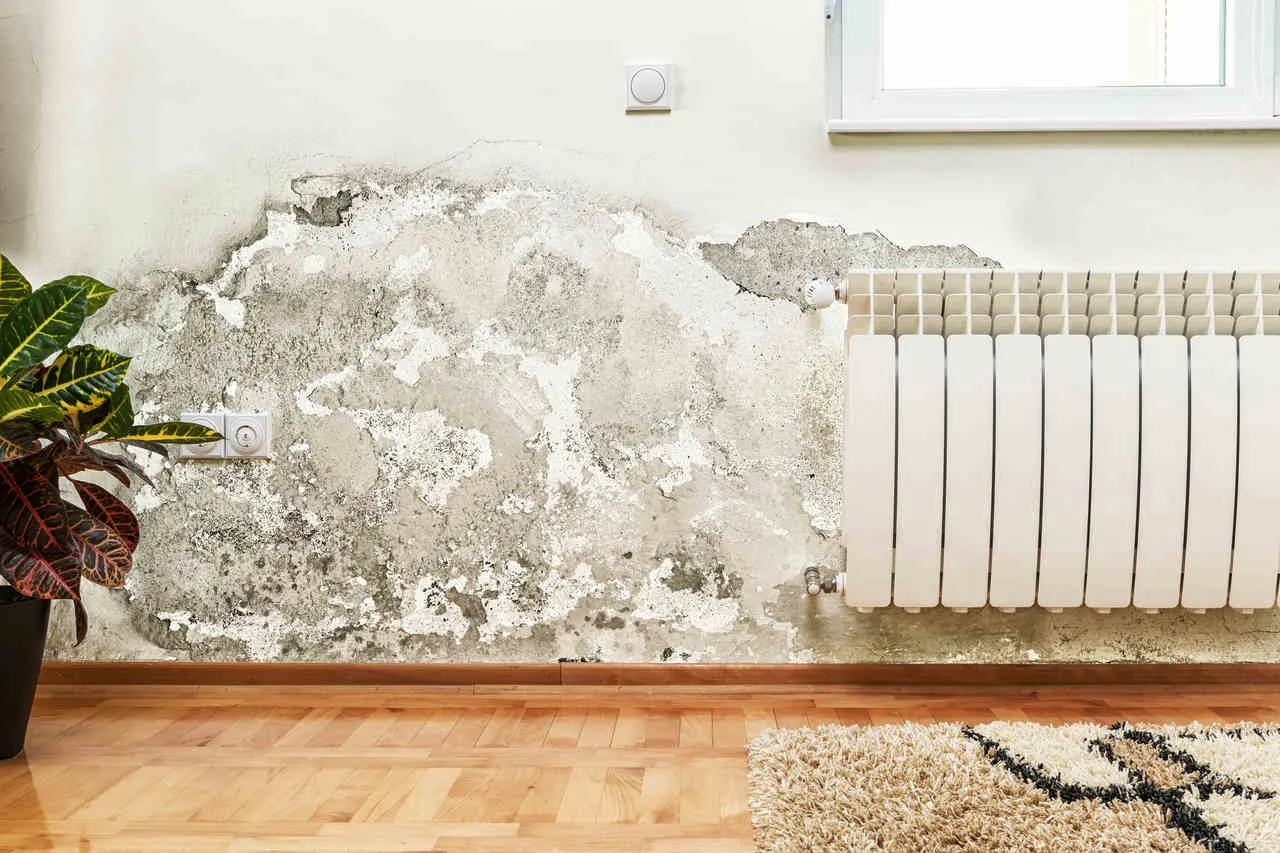
Wall waterproofing addresses water seepage through external walls and internal surfaces showing damp patches. External façade walls exposed to driving rain are common sources of wall seepage in Singapore. We apply protective coatings and sealants that allow walls to breathe while blocking water entry.
Concrete Waterproofing

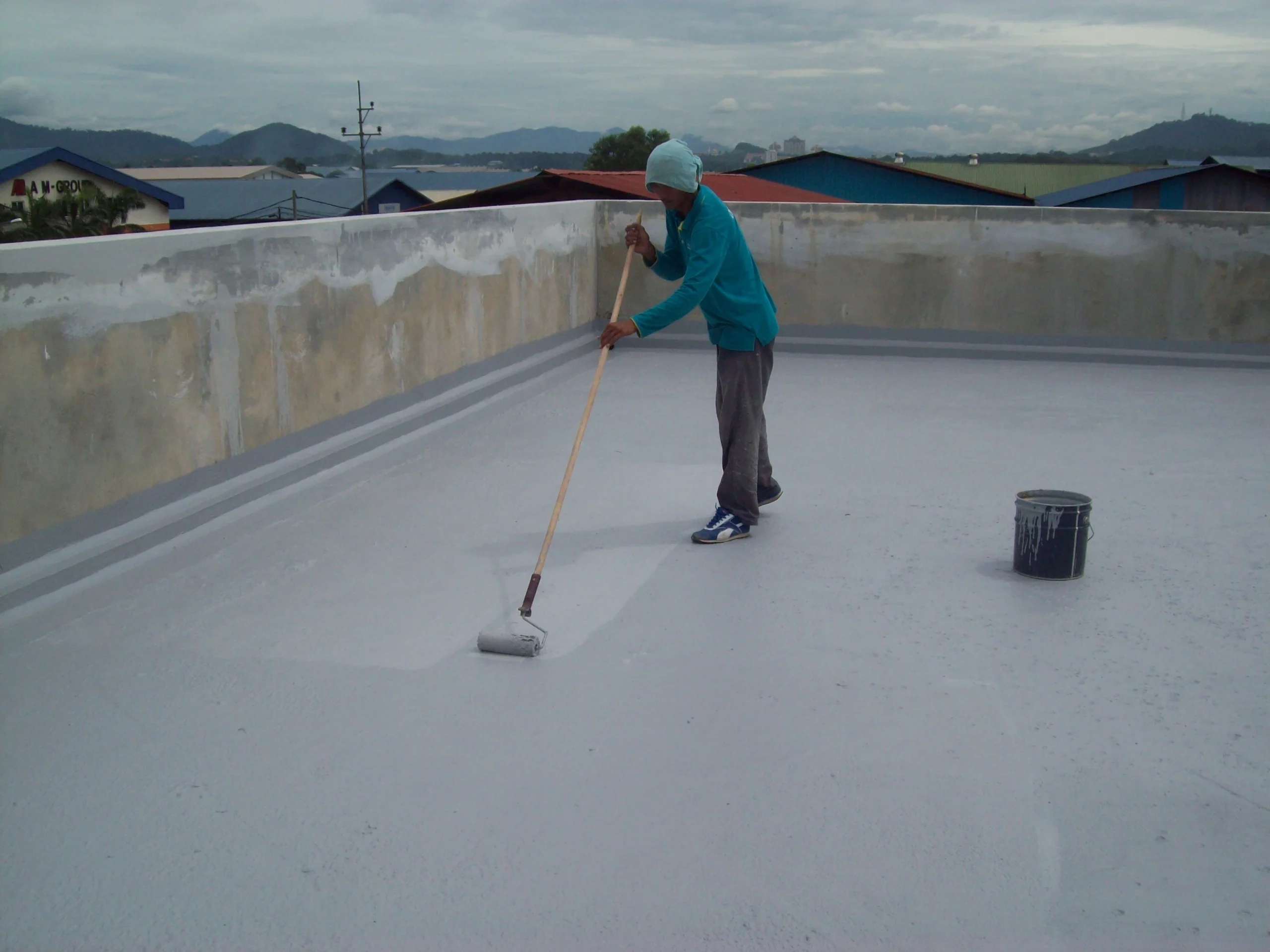
Concrete is porous by nature. Concrete waterproofing involves applying penetrating treatments or surface-applied membranes to reduce water absorption through concrete slabs, beams, and columns. This is particularly important for older buildings where concrete has deteriorated or where cracks have developed over time.
Basement Waterproofing

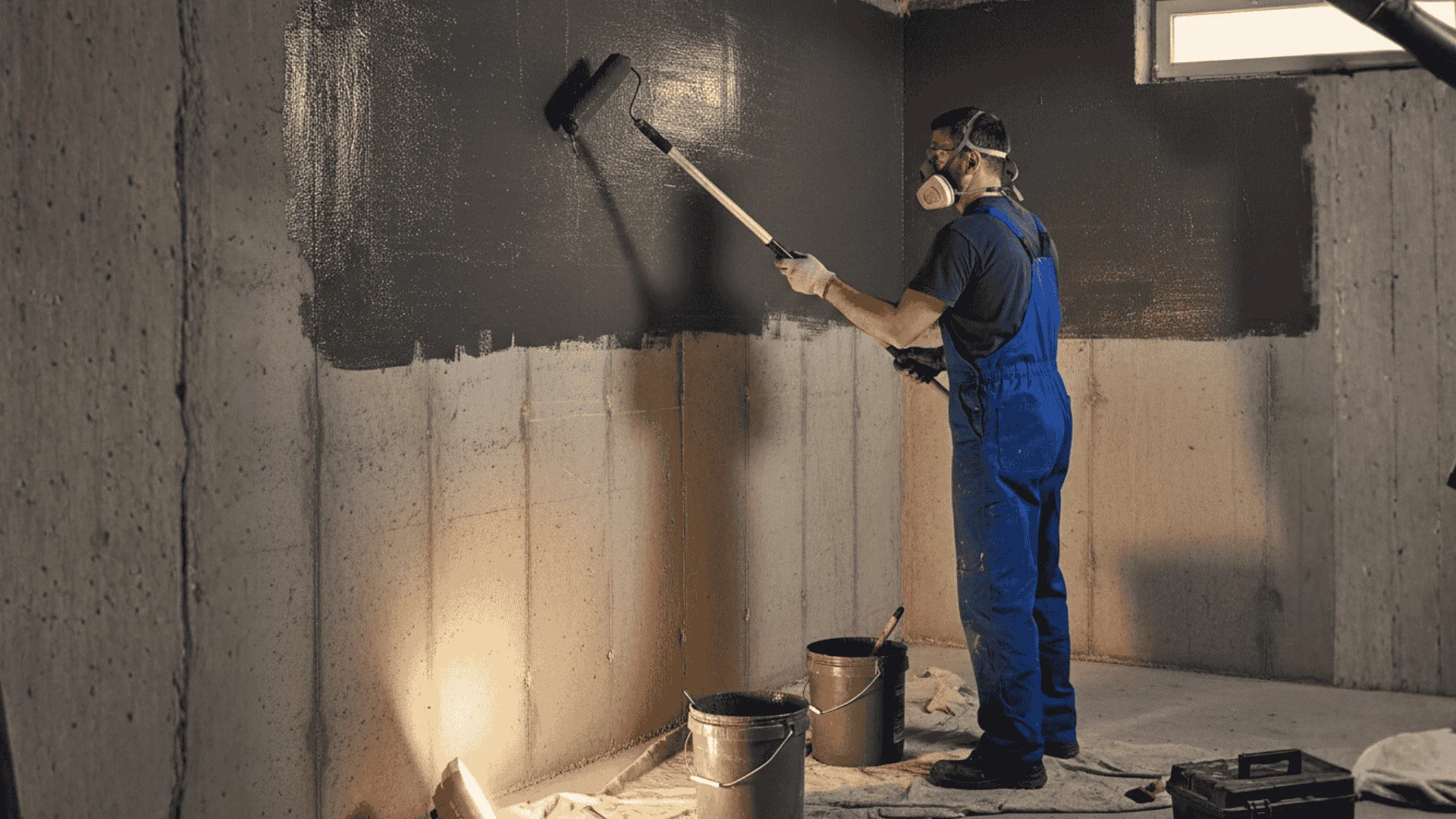
Basements sit below ground level and face constant groundwater pressure. Basement waterproofing typically requires a combination of positive-side and negative-side waterproofing treatments, depending on the severity of water ingress. We assess each basement individually before recommending the most suitable approach.
Waterproofing Repair Services

Not every situation requires a full membrane installation. Sometimes the existing waterproofing layer has failed in one area, or construction joints have opened up, or pipe penetrations have started letting water through. Our water leakage repair service targets the specific failure point - including PU injection and epoxy injection for cracks - without unnecessary disruption to surrounding surfaces.
Common Waterproofing Problems We Solve

Water Leakage and Seepage

Water leakage occurs when water finds a path through walls, floors, or ceilings. Identifying the source of water leakage is the first and most important step – visible dampness often appears far from where water is actually entering. We trace the path before applying any fix.

Damp Walls and Moisture Problems

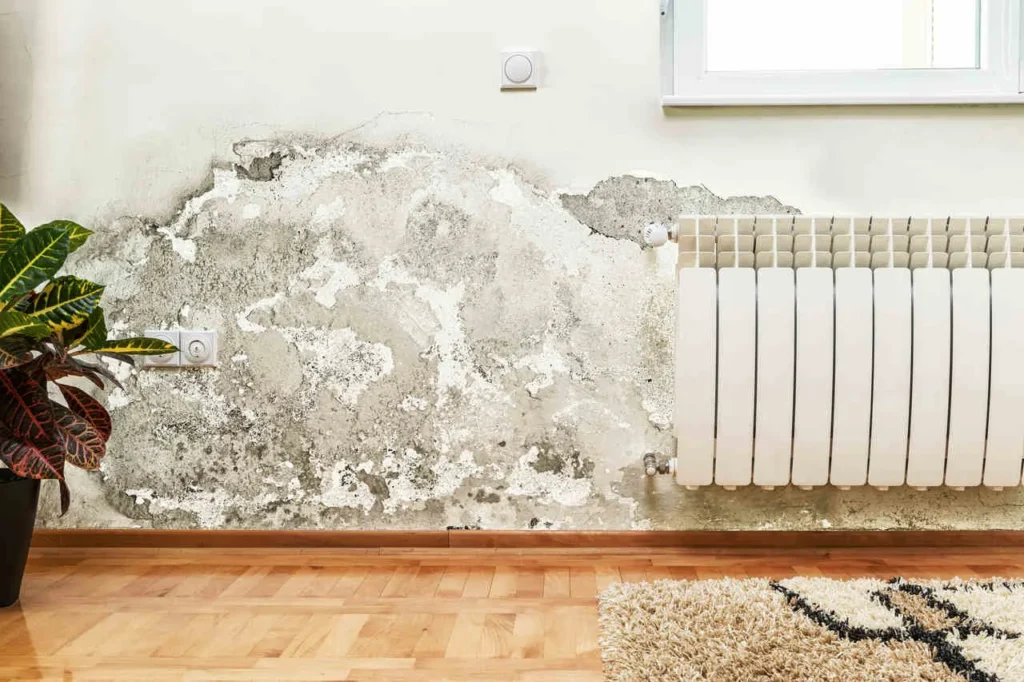
Damp walls are often caused by water seeping through external walls or rising from the floor slab. Left untreated, persistent moisture causes paint peeling, plaster damage, and mould growth. Treatment depends on whether the moisture source is external, internal, or structural.

Cracked Waterproofing Layers

Waterproofing membranes and coatings are not permanent. Over time, concrete movement, temperature changes, and material aging cause cracks and delamination. A cracked waterproofing layer loses its ability to resist water ingress and typically needs to be repaired or replaced.

Bathroom Water Damage

Water that seeps through bathroom floors damages the concrete slab below and eventually appears as stains or wet patches on the ceiling of the unit underneath. Early treatment of bathroom floor waterproofing failures prevents structural damage and neighbour disputes.

Roof Water Leakage

Ceiling leak repair often starts with a problem on the roof. Damaged roof membranes, blocked drainage, and cracked concrete allow rainwater to penetrate the slab and travel downward. Roof leak repair should address both the entry point and any secondary damage.

Balcony Water Leakage

Balcony leaks typically come from failed sealant joints, blocked drainage points, or cracked floor tiles with a compromised membrane beneath. Water sitting on a balcony floor without proper drainage puts continuous pressure on the waterproofing layer.

Mould and Mildew Growth

Mould is a symptom of moisture. It doesn’t appear on a dry surface. When mould keeps returning in the same location – on a wall, ceiling, or inside a cabinet – it usually indicates a hidden waterproofing failure nearby. Treating the surface without addressing the moisture source only delays the problem.

Waterproofing Services for Different Properties

Homes and Apartments

Residential waterproofing covers bathrooms, toilets, balconies, roofs, and wet areas in private landed properties and apartments. Each home has different construction methods, and we adapt our approach based on the specific layout and condition of the property.
Condominiums and HDB Flats

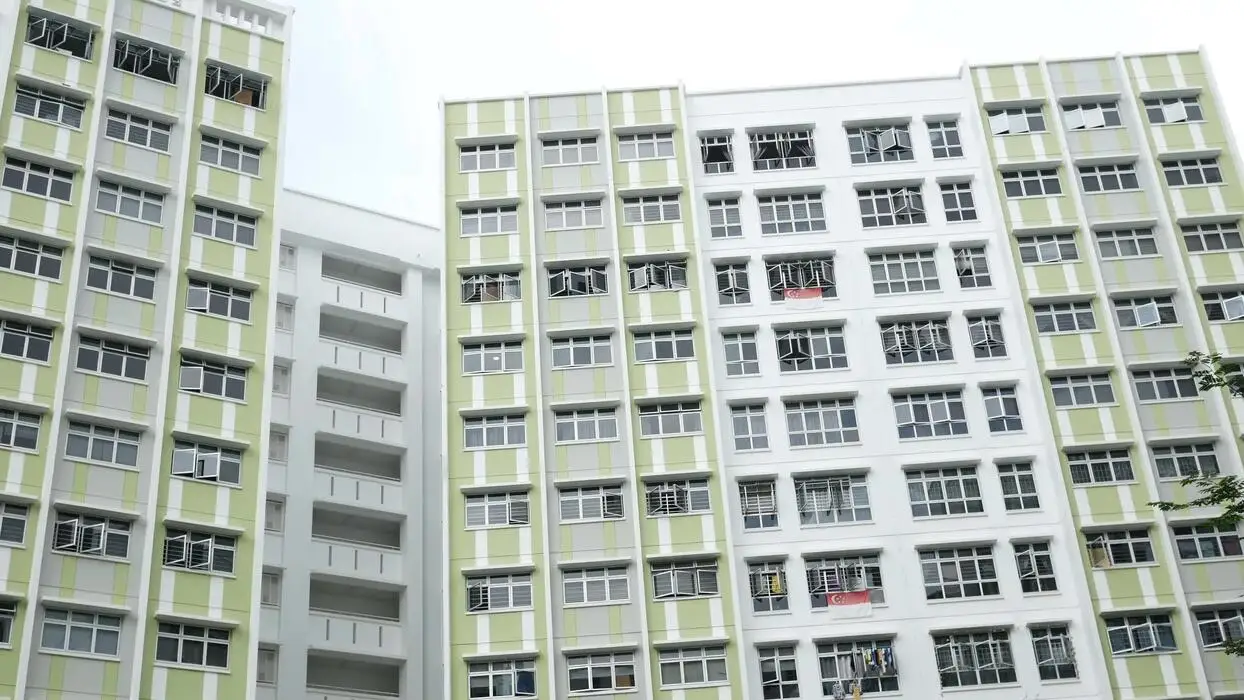
HDB waterproofing and condo waterproofing come with specific considerations - shared walls, units above and below, MCST requirements, and HDB guidelines. We're familiar with working within these constraints and can advise on the appropriate scope of work for strata-titled properties.
Offices and Commercial Buildings

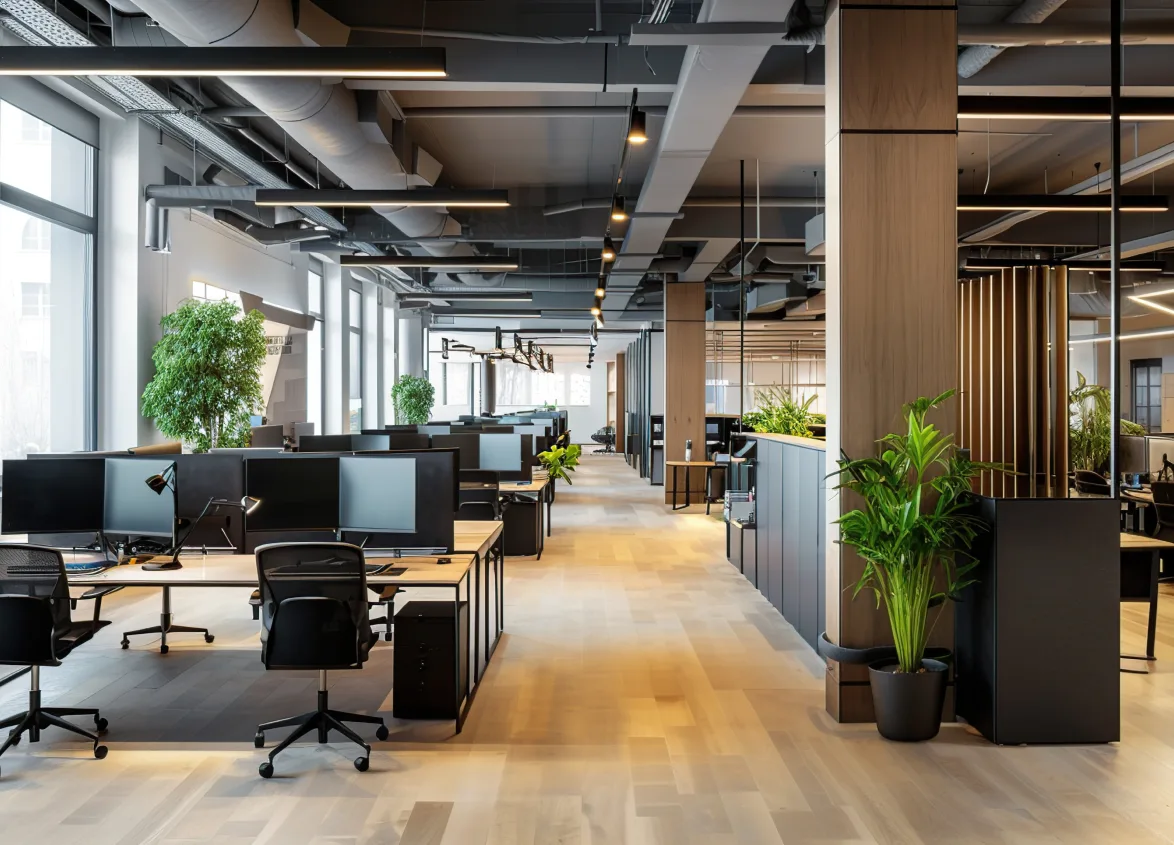
Commercial waterproofing covers office buildings, shophouses, mixed-use developments, and similar properties. Commercial spaces typically require minimal disruption to daily operations, and we plan work schedules accordingly.
Retail Shops and Restaurants

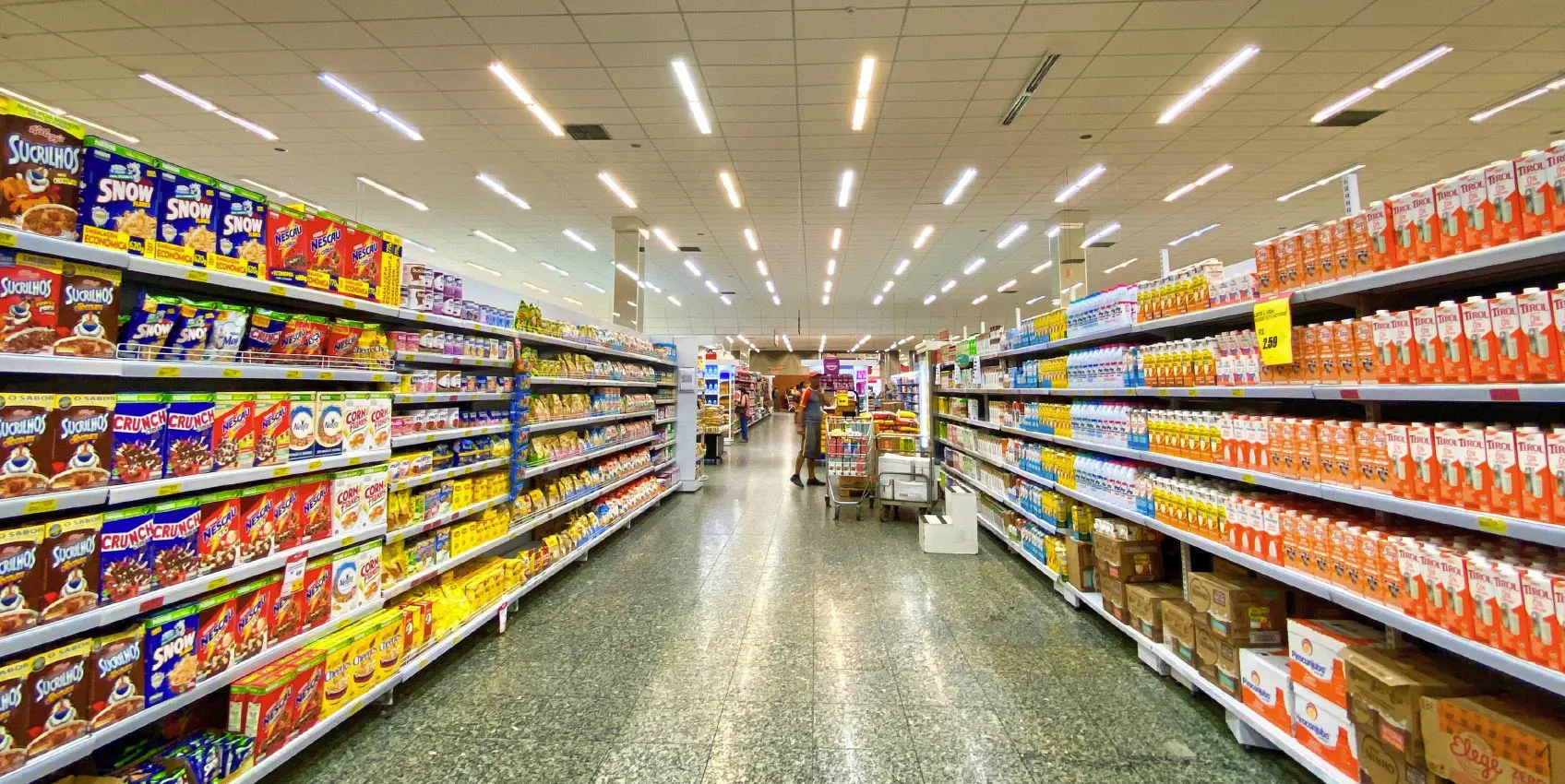
Water leakage in a food and beverage or retail environment can affect hygiene, operations, and customer experience. Wet area waterproofing and floor treatment in these settings require products that are safe, durable, and compliant with operational requirements.
Factories and Warehouses

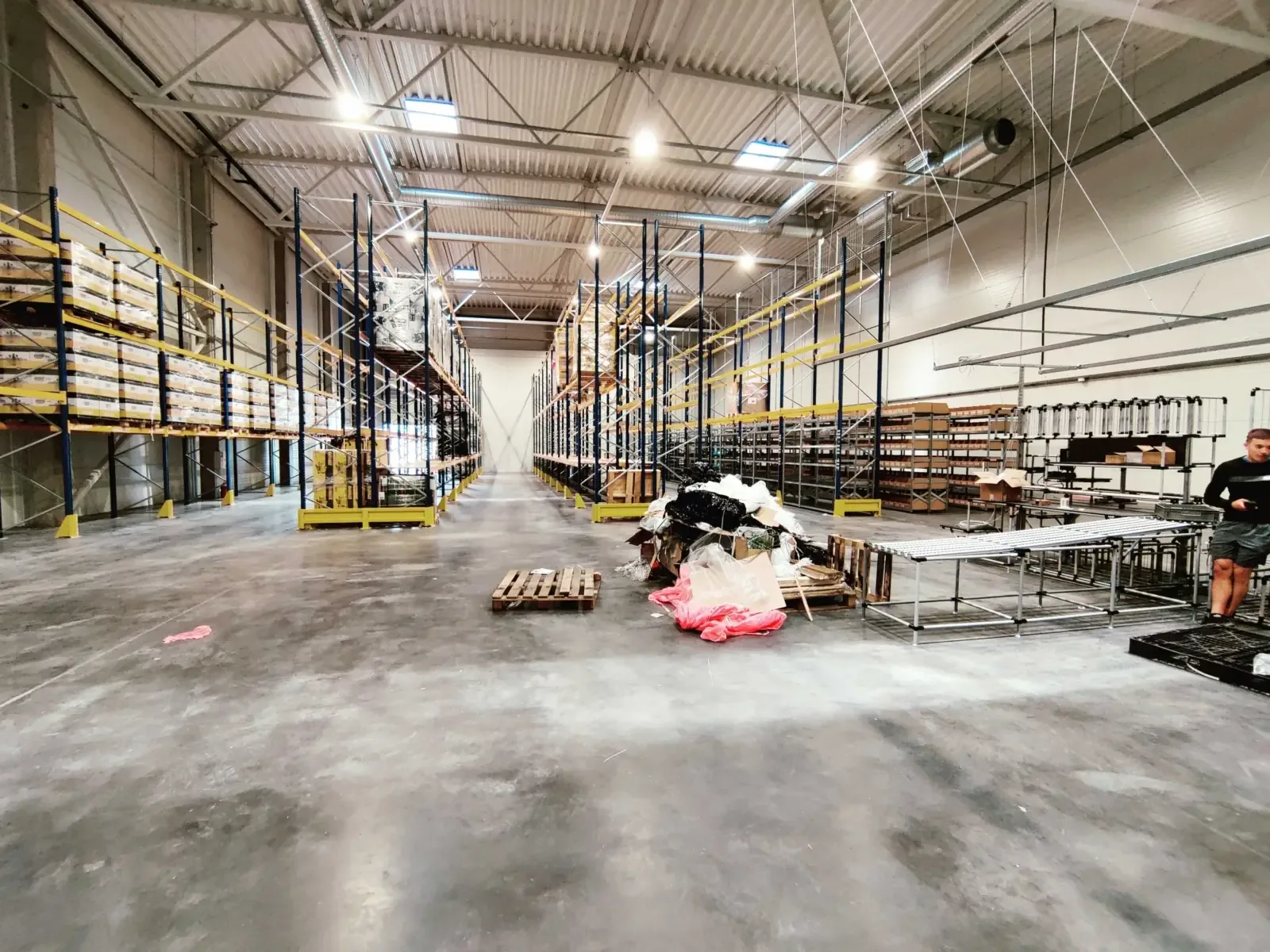
Industrial waterproofing in factories and warehouses typically involves large roof areas, concrete flooring, and drainage systems. Roof membrane failures in industrial buildings often go unnoticed until significant water damage has occurred internally.
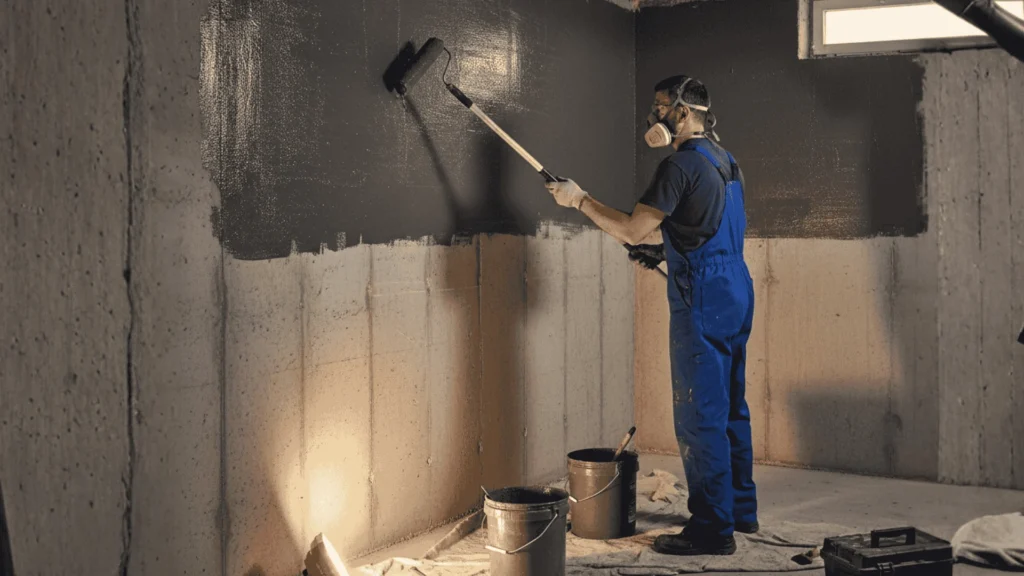
Benefits of Waterproofing Services

Prevents Water Damage

A properly applied waterproof membrane creates a durable barrier against moisture penetration, stopping water before it reaches the concrete, insulation, or interior finishes. Preventing damage is always less expensive than repairing it.

Protects Building Structure

Prolonged exposure to water weakens reinforced concrete by corroding the steel reinforcement inside. Long-lasting protection against water ingress preserves the structural integrity of beams, slabs, and columns over the building’s lifespan.

Reduces Maintenance Costs

Buildings with effective waterproofing require less frequent repairs to walls, ceilings, and finishes. The cost of a proper waterproofing installation is typically lower than the cumulative cost of repeated remedial repairs caused by untreated water ingress.

Improves Indoor Comfort

Moisture in walls and ceilings raises indoor humidity, causes musty odours, and contributes to unhealthy living conditions. Effective wet area waterproofing and external wall treatment directly improve the comfort and air quality inside a property.

Extends Property Lifespan

Waterproofing is one of the most effective long-term investments a property owner can make. Buildings that are properly waterproofed and maintained hold their value better and require fewer major structural interventions over time.

Our Waterproofing Installation Process

Site Inspection and Assessment

We begin with a thorough inspection of the affected area. We check for visible cracks, failed sealants, deteriorated membranes, and signs of active moisture. Where the leak source is unclear, we use water testing and, where needed, thermal imaging to locate concealed water paths.

Surface Preparation

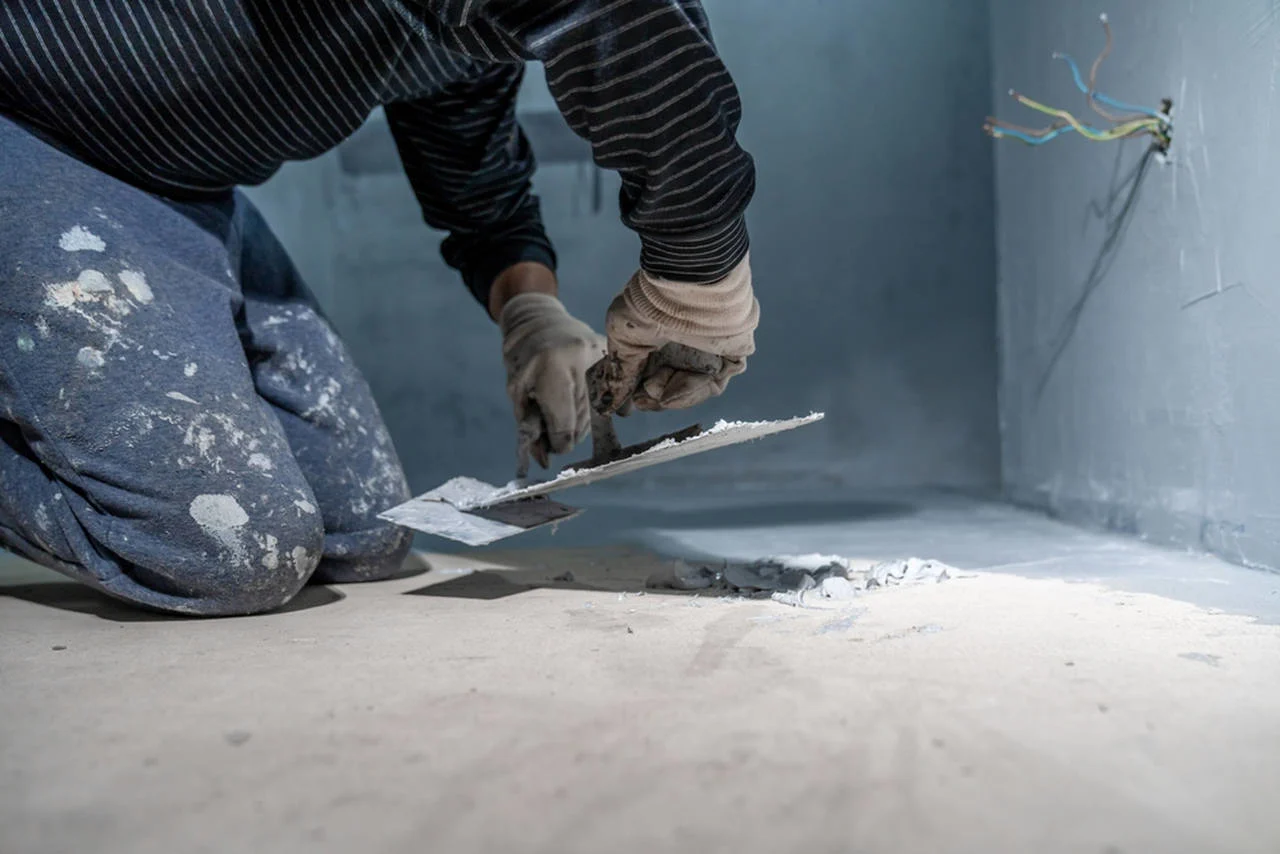
All loose material, damaged coating, and contamination is removed before any waterproofing product is applied. Cracks are cleaned out and pre-treated. Joints and pipe penetrations are addressed before the membrane goes down.

Waterproofing Application

The appropriate system - liquid-applied membrane, sheet membrane, PU injection, or epoxy injection - is applied in the correct number of coats and allowed to cure fully. Critical junctions such as wall-to-floor angles and drainage points receive additional reinforcement.

Quality Check and Handover

Once the application is complete and cured, we conduct a water test to confirm the installation is performing correctly. We walk through the completed work with you and explain the warranty coverage and any care instructions before handover.

Why Choose AR Tech for Waterproofing Services

Skilled Waterproofing Team

Our installers are trained specifically in waterproofing application and are familiar with the range of products and systems used in Singapore. We do not rotate general workers onto waterproofing jobs – it requires specific technique and attention to detail.

Quality Waterproofing Materials

We use tested, proven waterproofing products from established suppliers. The right waterproofing membrane for a bathroom differs from what’s needed on a concrete roof or a basement wall – we select products based on the application, not convenience.

Transparent Pricing

You’ll receive a clear, itemised quotation before any work begins. We explain what’s included, why it’s needed, and what it costs – no hidden charges and no pressure to agree on the spot.

Reliable Project Completion

We schedule work properly and communicate clearly if anything changes. Our team respects your property and your time. Most waterproofing projects are completed within the agreed timeframe, with minimal disruption to your daily routine.

Quality Workmanship and Warranty

Our workmanship warranty covers defects arising from how the waterproofing was installed – not from physical damage, structural movement beyond normal limits, or third-party interference after handover. If water seepage recurs in a warranted area due to installation-related failure, we return to assess and rectify the issue at no additional cost.

It’s worth understanding the difference between workmanship warranty and material warranty. Material warranty is provided by the product manufacturer and covers defects in the product itself. Workmanship warranty is our responsibility – it covers how the product was prepared for and applied on your property.

We will explain the exact warranty period and coverage clearly in writing before work begins, so you know exactly what’s protected and what falls outside the scope.

Recent Waterproofing Projects in Singapore

We’ve completed waterproofing work across HDB flats, landed homes, condominiums, commercial shophouses, and industrial facilities in Singapore. Our project portfolio includes bathroom waterproofing, roof membrane installations, balcony repairs, and remedial waterproofing for persistent leakage problems. Ask us to share relevant project examples when you enquire.

Areas We Serve in Singapore

Our Related Construction Services

Demolition Services

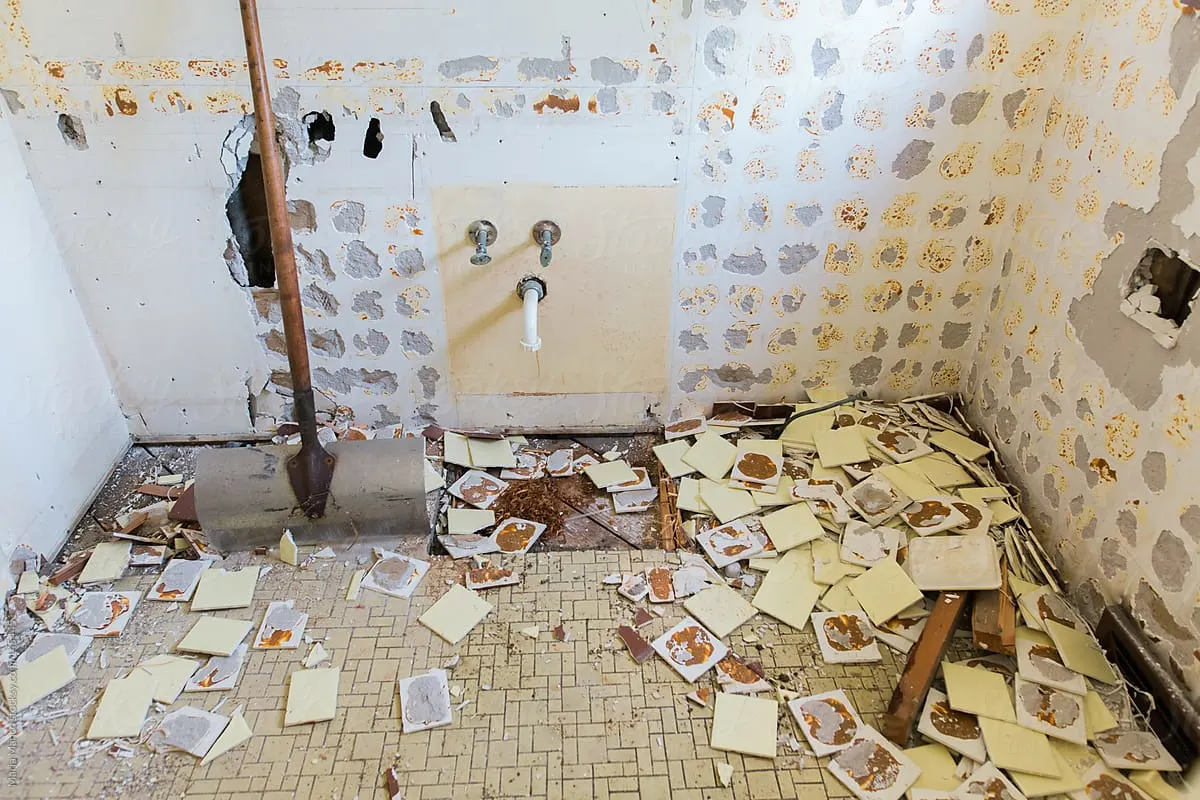
We provide safe and controlled demolition for renovation projects, including wall hacking, floor tile removal, and structural opening works. Useful before waterproofing or tiling work begins in older properties.
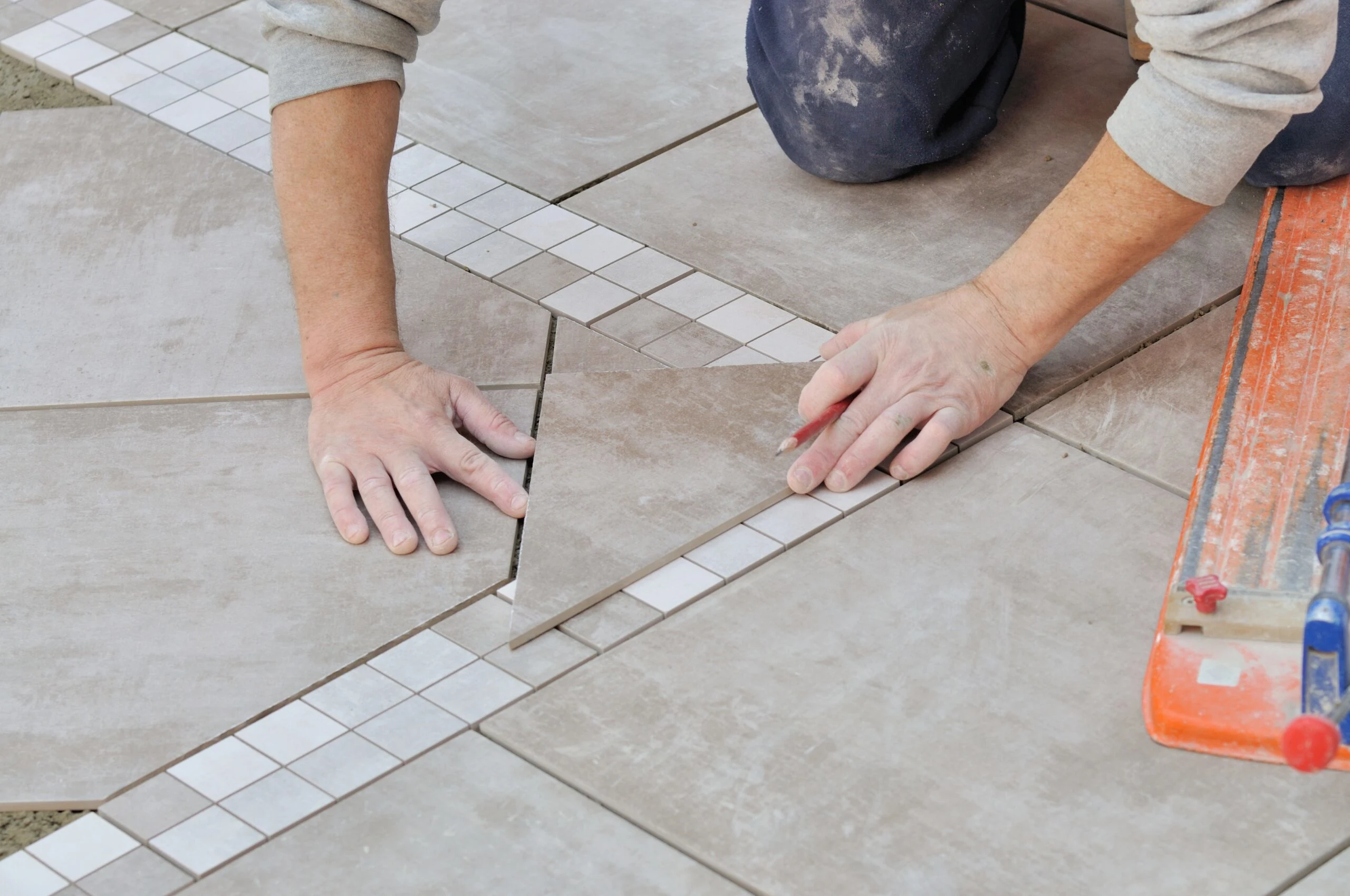
Tiling Works

Our tiling team handles floor and wall tile installation across wet areas, living spaces, and outdoor surfaces. Tiling and waterproofing are often carried out together for bathrooms and balconies.
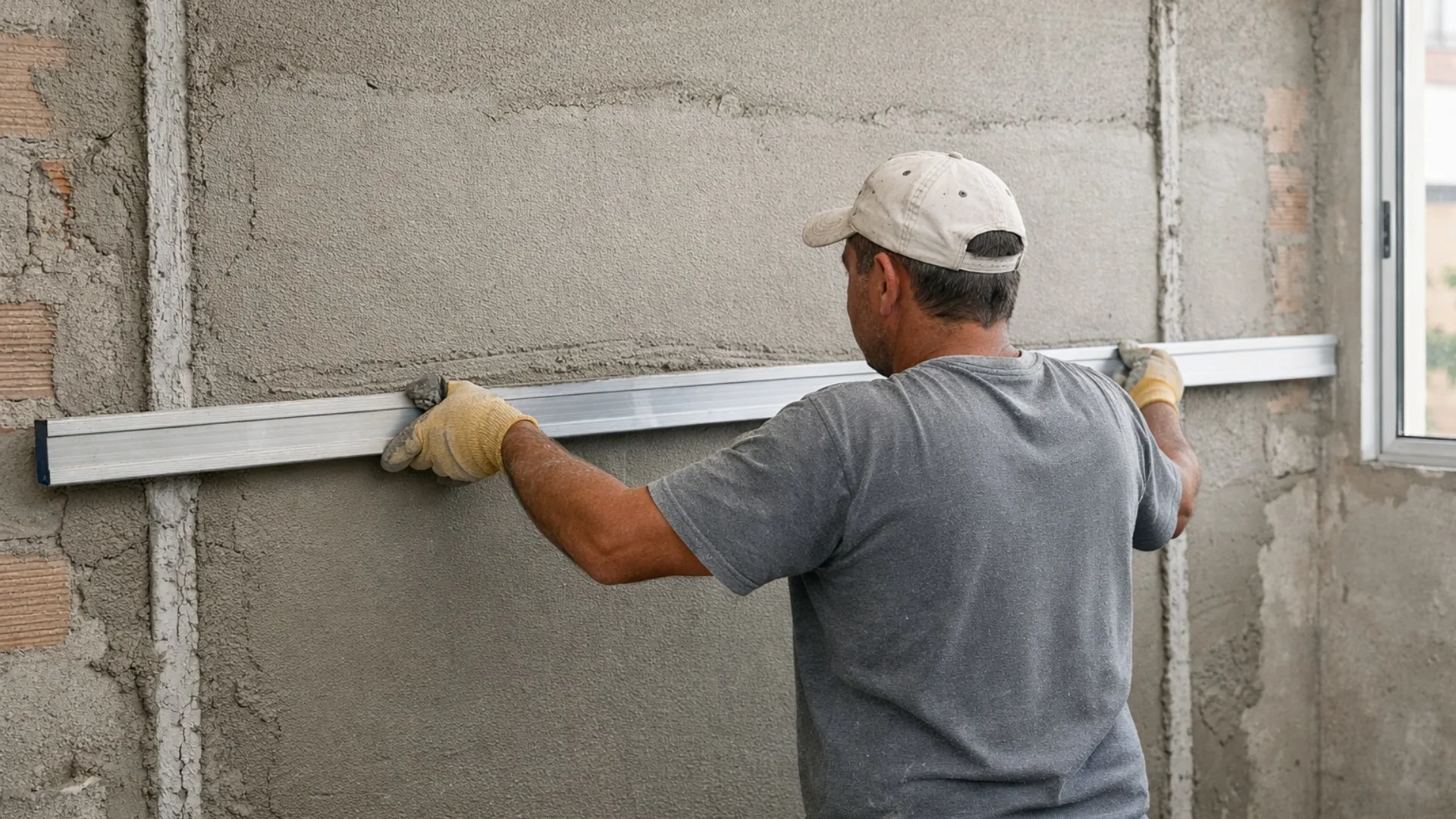
Masonry & Plastering

We repair and rebuild masonry walls, apply cement render, and carry out plastering works as part of renovation and restoration projects. Often required after waterproofing repairs to restore wall finishes.
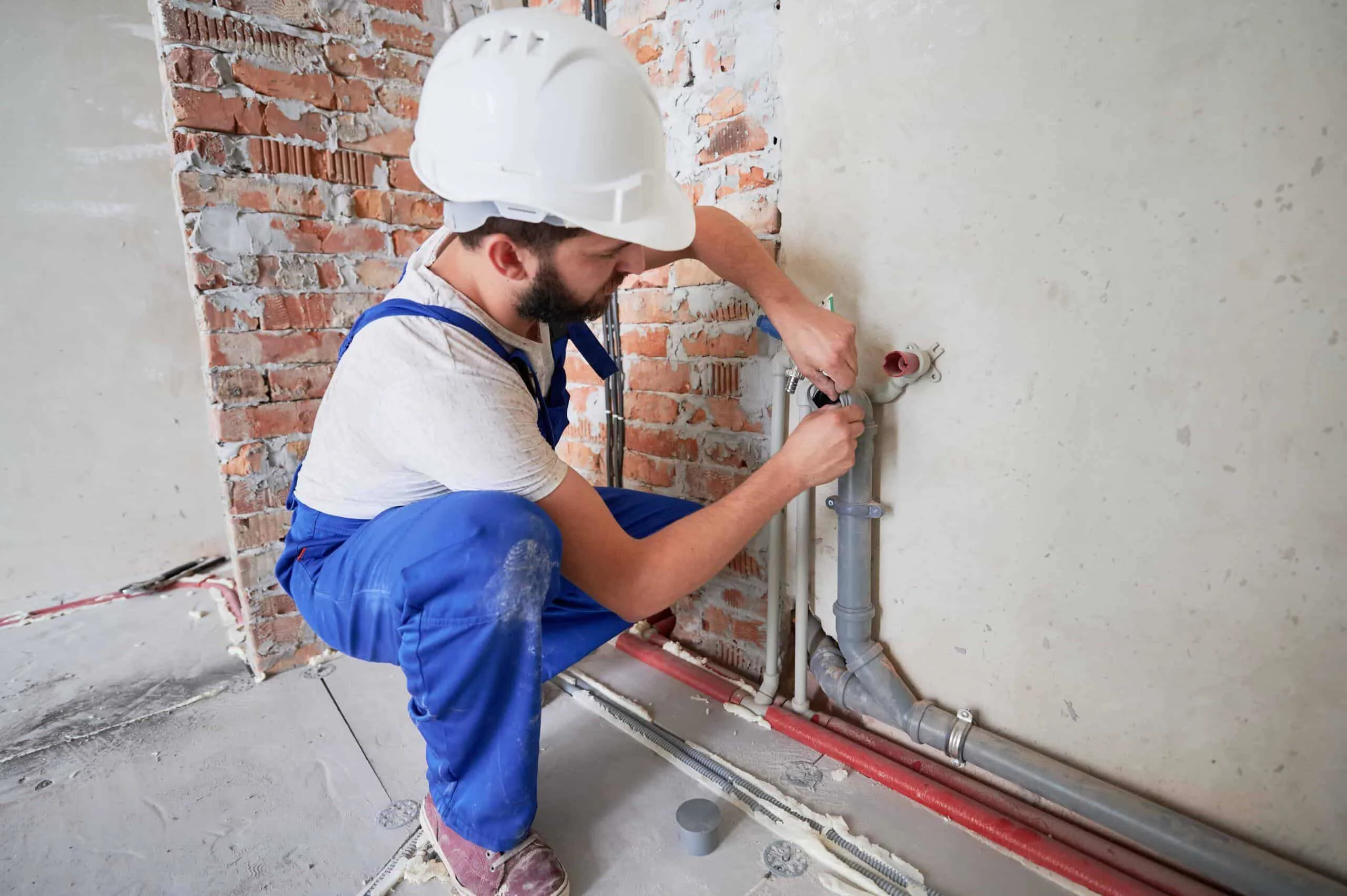
Plumbing Services

Our plumbers handle pipe installation, replacement, and repair for residential and commercial properties. Water leakage is sometimes caused by plumbing issues rather than waterproofing failures - we can assess both.
Sanitary Works

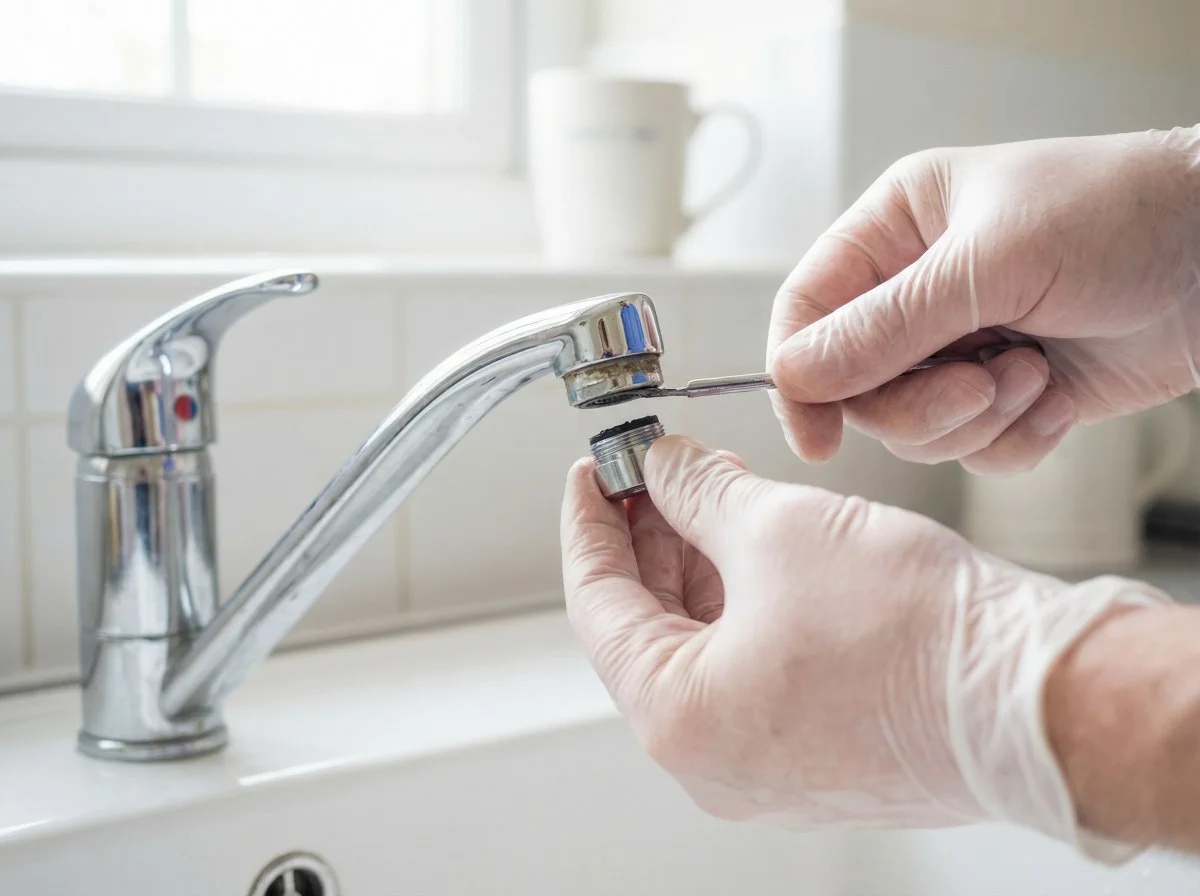
We install and replace sanitary fittings including toilet bowls, basins, and floor traps. Sanitary replacement is often carried out alongside bathroom waterproofing during renovations.
Electrical Lighting Works

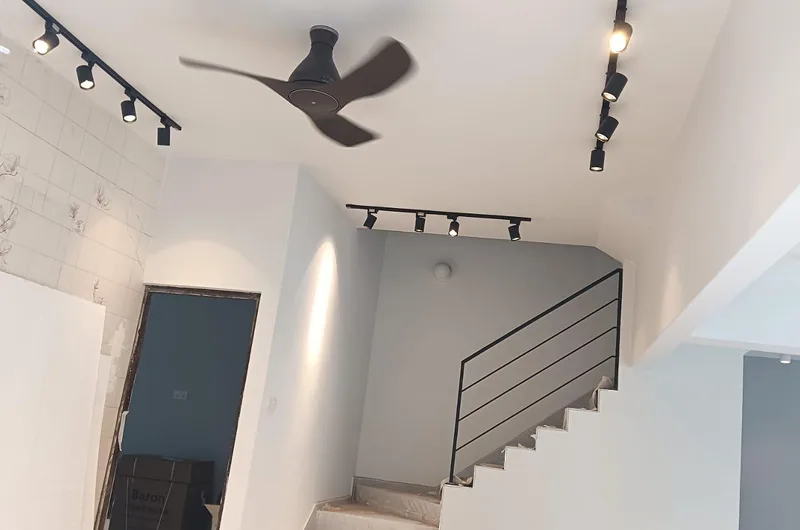
We provide electrical and lighting installation services for renovation projects. Where waterproofing work is part of a wider renovation, our team can coordinate across trades.
Painting & Finishing

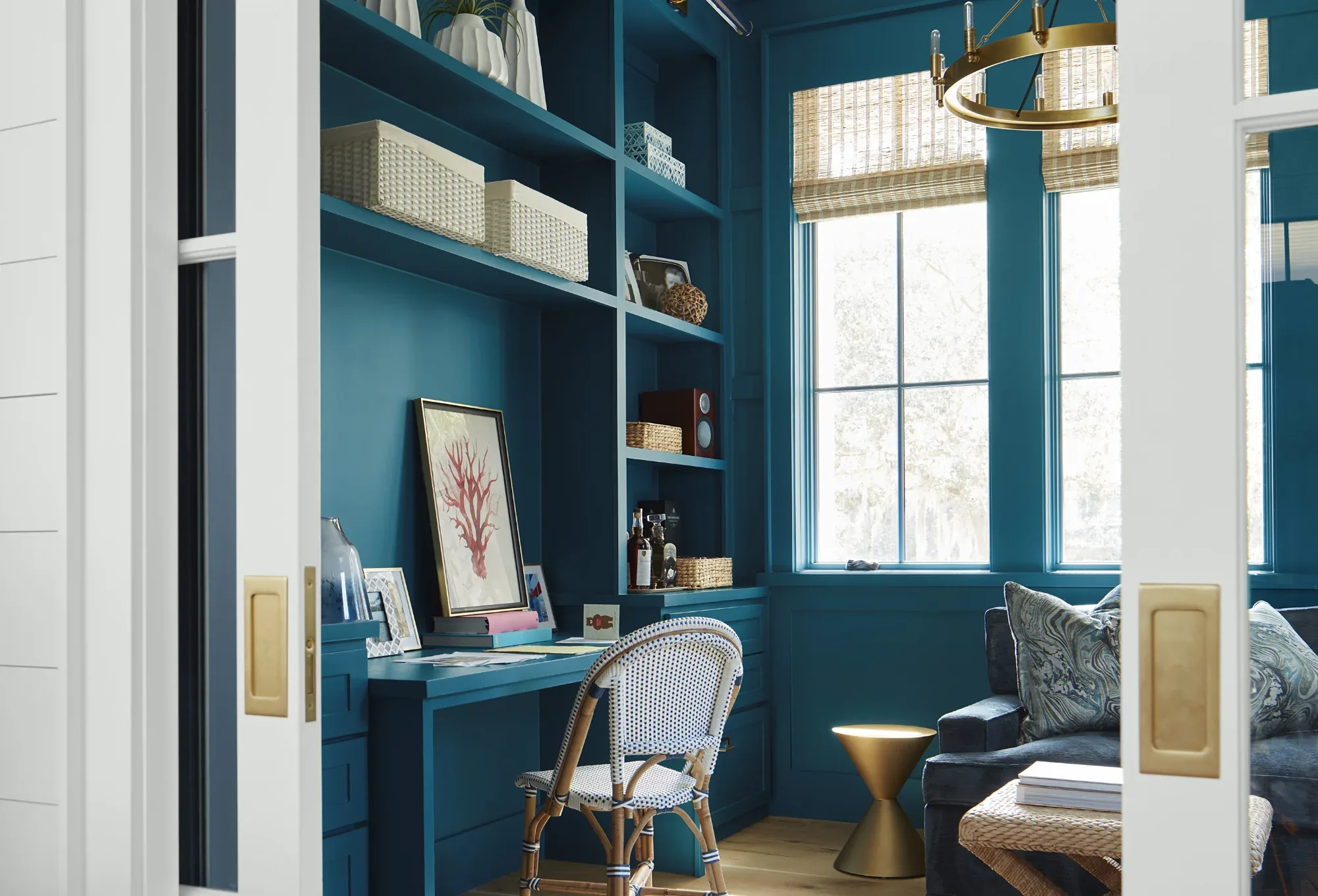
Our painting team handles interior and exterior painting, including waterproof paint application on external walls. A clean finish after waterproofing and plastering work restores your property's appearance.
Frequently Asked Questions

Waterproofing works refer to the application of protective systems - such as membranes, coatings, sealants, or injection treatments - to surfaces and structures to prevent water from passing through. The scope includes installation of new waterproofing layers, repair of failed systems, sealing of joints and cracks, and remedial treatment of areas with existing water ingress problems.

Waterproofing creates a barrier that stops water from penetrating concrete, walls, floors, or roofs. It protects the structure from moisture damage, prevents leaks into occupied spaces, reduces mould growth, and helps preserve the integrity of finishes and materials inside the building. Without it, water ingress gradually weakens concrete and causes costly damage over time.

Yes - when it's properly assessed, specified, and applied. Waterproofing fails when the wrong product is used for the application, when surface preparation is inadequate, or when the source of water entry has not been correctly identified. A properly installed system from a qualified waterproofing specialist in Singapore provides reliable, long-lasting protection.

Common signs include damp patches or stains on walls and ceilings, peeling paint or bubbling plaster, musty odours in enclosed spaces, visible mould that keeps returning, wet floors in bathrooms or balconies, or water marks on the ceiling below a bathroom or roof slab. Any of these warrant a professional inspection to determine the source and severity.

Yes. Waterproofing repair - including PU injection, epoxy injection, and membrane patching - is specifically designed to stop active or recurring leaks. The key is correctly identifying where water is entering before applying any treatment. Applying a surface coating over an active leak without addressing the source will not produce a lasting result.

The lifespan of a waterproofing system depends on the type of product used, the quality of installation, and the exposure conditions. Liquid-applied membranes on internal wet areas typically last 5–10 years. Roof and external waterproofing systems exposed to UV and rain may require inspection and maintenance after 5 - 8 years. Regular checks help identify early signs of failure before they become serious.

Most bathroom or toilet waterproofing jobs take 1 - 3 days depending on the size of the area and the curing time required between coats. Roof waterproofing for a larger surface area may take 3 - 5 days. We'll provide a realistic timeline during the quotation process so you can plan accordingly.

The most suitable method depends on the type of surface, the source of water ingress, and the condition of existing finishes. Liquid-applied membranes work well for internal wet areas. Sheet membrane systems suit new construction and major roof projects. PU injection or epoxy injection are used for active cracks and joints. A proper site assessment is the only reliable way to determine the right approach.

Waterproofing service costs in Singapore vary depending on the area size, method required, surface condition, and accessibility. A bathroom waterproofing project typically starts from a few hundred dollars for a small toilet, while roof or basement waterproofing for larger areas costs more. We provide a detailed, no-obligation quotation after inspecting the site so you know exactly what's involved before committing.

Get a Free Quote for Waterproofing Services

If your property has a water leak, damp walls, or you’re planning a renovation that includes wet areas, the right time to speak with a waterproofing contractor is before the problem gets worse.

Contact AR Tech Renovation for a free, no-obligation site assessment and quotation. We’ll inspect the affected area, explain what we find, and provide a clear written quote – so you can make an informed decision without any pressure.