Professional Tiling Contractor in Singapore
AR Tech Renovation is a direct tiling contractor in Singapore serving HDB flats, condominiums, landed homes, and commercial spaces. Our team handles everything from full tiling services in Singapore to targeted tile repairs, tile overlays, grout replacements, and bathroom retiling. Every project starts with a proper site assessment, honest advice, and an itemised quote. No hidden charges. No subcontracting. Just reliable tile work carried out by an experienced team that understands Singapore’s property types, renovation rules, and wet-area requirements.

Complete Tiling Services for Homes and Businesses
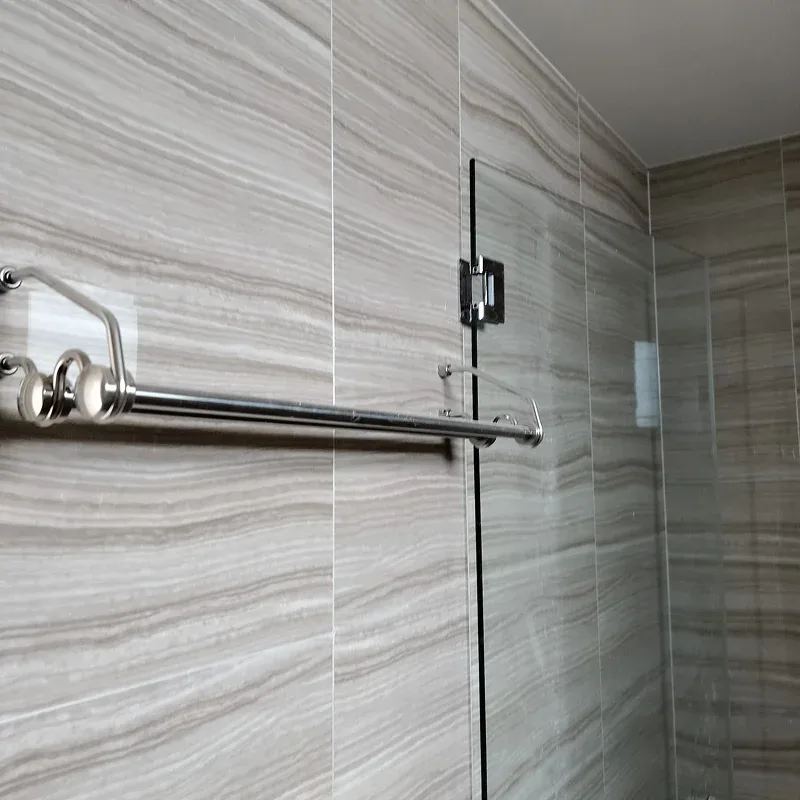
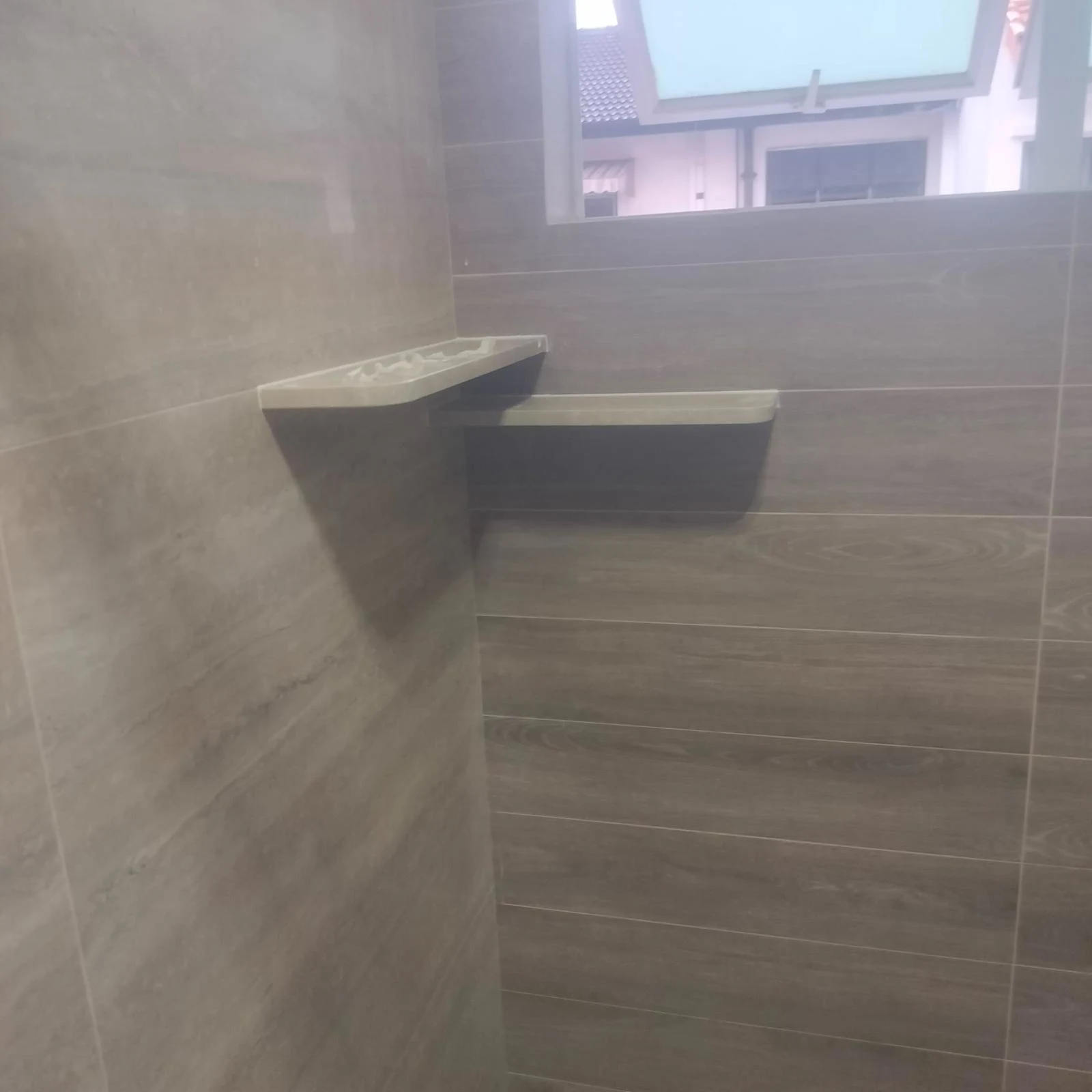
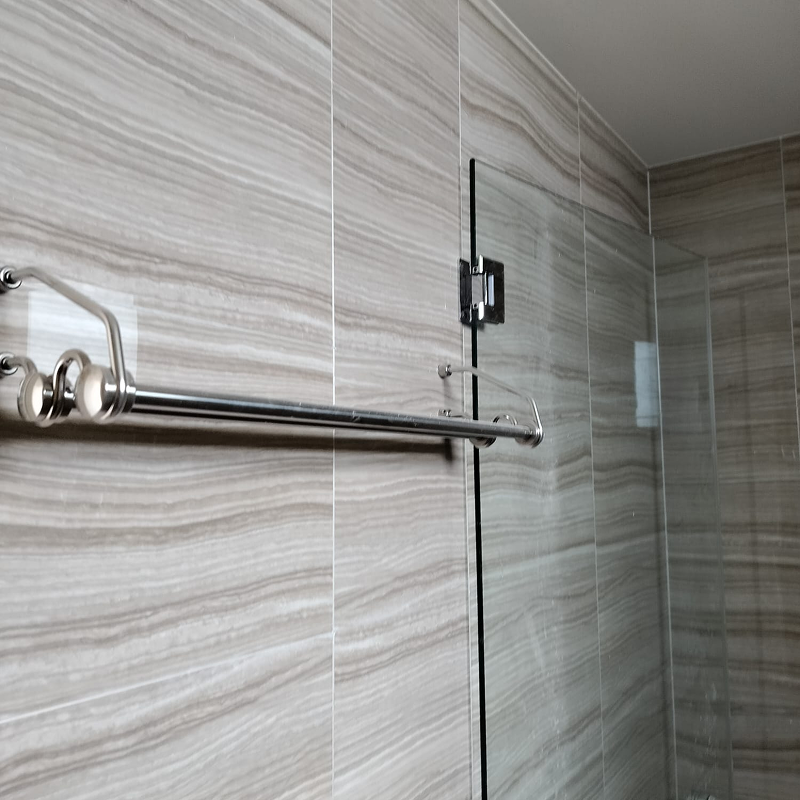
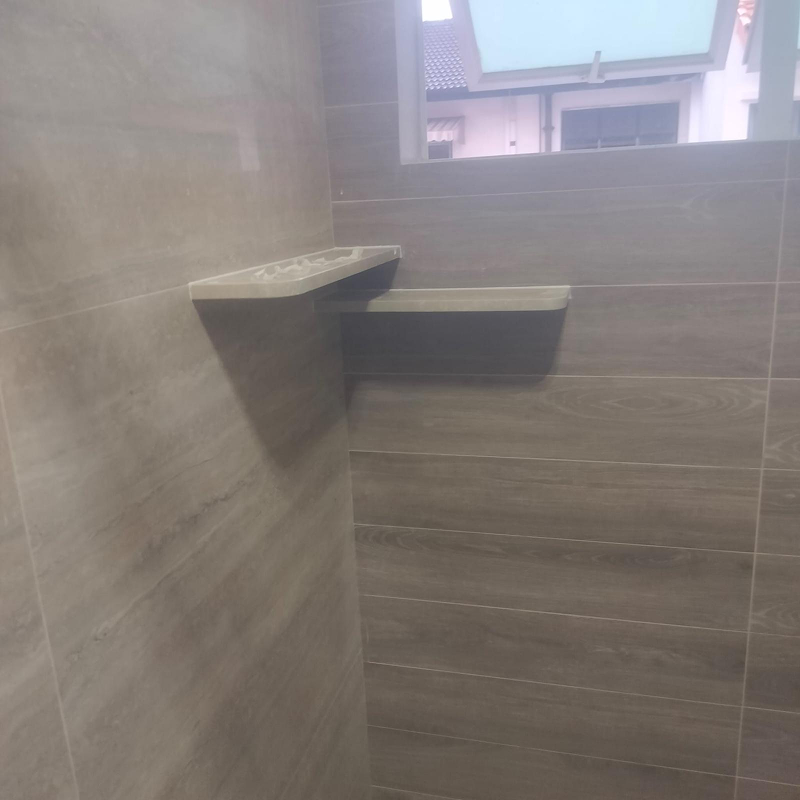
Tiling is one of the most permanent parts of any renovation. A poor installation can lead to hollow sounds underfoot, water seepage behind walls, uneven surfaces, or tiles that crack and pop within months. AR Tech Renovation covers the full scope of residential and commercial tiling needs, from new installations to repairs and restoration. Our work covers floors, walls, bathrooms, kitchens, balconies, and outdoor areas. We work with ceramic, porcelain, homogeneous, marble, mosaic, and large-format tiles. Whether the job is a single cracked tile in a bathroom or a full-flat retile after hacking, the standard of work stays the same.
Tiling Services We Provide

Floor Tiling

Wall Tiling

Bathroom & Kitchen Tiling

Kitchen Floor and Backsplash Tiling

Balcony, Outdoor and Patio Tiling

Tile Overlay Without Hacking

Tile Hacking and Retiling

Tile Repair and Partial Replacement

Tile Regrouting and Grout Repair
Tiling Solutions for Singapore Properties
HDB BTO and Resale Flats
HDB BTO tiling work often involves complete new tile installations in bare-condition units. BTO flats are handed over with basic finishes, and many owners choose to tile or retile the entire flat before moving in. HDB resale flat tiling projects often involve hacking old tiles, repairing worn surfaces, and starting fresh. HDB renovation work must follow HDB renovation guidelines. Wet areas in HDB flats require waterproofing, and work scope must stay within approved limits. Our team is familiar with HDB floor plans, common tile sizes used in older and newer blocks, and the practical constraints of working in a high-rise building environment.
Condominiums
Condo tiling projects vary widely depending on the unit size, age, and developer’s original finish. Some condo owners want to upgrade from builder-grade tiles. Others need tile repairs after years of use. Condo management rules often affect working hours, lift access, and disposal of debris. We plan around these requirements and coordinate with the building management where needed. Large-format tiles and marble tiles are popular in condo renovations, and we have experience handling these materials properly.
Landed Homes
Landed properties offer more flexibility in renovation scope. Tiling for landed homes often covers multiple levels, outdoor spaces, driveways, pool surrounds, and large open-plan living areas. Site access is generally easier, which allows for bigger tile formats and more complex layout work. Landed homes also benefit from custom tile patterns, feature areas, and detailed skirting work. Each project is assessed individually since no two landed homes are the same in layout or condition.
Offices, Retail and Commercial Spaces
Commercial tiling contractor work in Singapore covers offices, retail shops, F&B outlets, showrooms, and service facilities. Commercial spaces have higher foot traffic demands, so tile durability and slip resistance matter more. Work must often be done outside business hours or in phases to avoid disrupting operations. We plan commercial tiling schedules carefully and work with the client’s timeline. Large floor areas in commercial settings also require proper expansion joint planning to handle building movement.
Common Tile Problems We Fix
Tiles Sounding Hollow
Hollow tiles make a dull sound when tapped with a hard object. This happens when the tile has separated from the adhesive or screed below. The tile may still look intact, but the bond underneath has failed. Over time, hollow tiles crack under load or at the edges. The fix depends on how many tiles are affected and whether the substrate is still sound. In some cases, individual tiles can be re-bonded using injection methods. In others, the section needs to be hacked and relaid properly.
Popping or Tenting Tiles
Popped tiles in HDB flats and other properties are a visible and immediate problem. Tiles pop up when thermal expansion forces build up with no room to release, or when the adhesive layer was applied incorrectly. Tiles that have popped can be sharp and hazardous. This problem needs attention quickly. The affected area is hacked out, the surface is prepared, and new tiles are laid with the correct adhesive and expansion joints to prevent a repeat.
Cracked or Chipped Tiles
Cracked tile repair is one of the most common requests we receive. Cracks happen from impact, structural movement, or a hollow base that allowed the tile to flex under load. Chips at tile edges or corners often occur from furniture or dropped objects. Single cracked or chipped tiles can often be replaced cleanly if a matching tile is available. We advise keeping spare tiles from the original installation for this reason.
Loose Wall Tiles
Loose wall tiles are a safety concern, especially in bathrooms. A tile that is no longer firmly attached can fall suddenly and cause injury. Loose wall tiles are usually caused by poor original adhesion, water getting behind the tile and breaking down the bond, or wall movement. We remove loose tiles, check the wall surface behind them, repair any damage, and reinstall the tiles securely with the right adhesive for the wall material.
Stained, Cracked or Deteriorated Grout
Grout that is cracked, stained, or crumbling is more than an appearance issue. It allows water to penetrate into the wall or floor structure. In bathrooms, this leads to tile water leakage and mould growth behind the tiles. Removing old grout and applying fresh grout restores the waterproof seal and improves the look of the tiles at the same time. Mouldy grout removal and replacement is a practical and affordable way to extend the life of an existing tile installation.
Uneven Tile Levels and Lippage
Lippage is the visible step between two adjacent tiles where one sits higher than the other. It is caused by uneven screeding, incorrect tile laying technique, or warped tiles. Lippage is a tripping hazard and looks unprofessional. Fixing lippage usually requires hacking the uneven section and relaying the tiles with proper level checks throughout the process.
Water Seepage Around Bathroom Tiles
Water seeping through bathroom tiles or at wall and floor joints points to a waterproofing failure. This can cause damage to the floor slab, water staining on ceilings below, and mould growth. The root fix requires identifying where the waterproofing has failed, hacking if necessary, reapplying a proper waterproofing membrane, and retiling the affected area. This work connects directly to waterproofing works, which is a separate but related service we provide.
Missing Matching Replacement Tiles
Sourcing matching tiles for older properties is one of the more difficult parts of tile repairs. Tile designs go out of production, and exact matches are rarely available. We help customers explore the closest available alternatives or plan the repair in a way that reduces the visible difference. In some cases, a small design accent or border tile is used to frame the repaired area in a way that looks intentional rather than patched.
What Matters Most for Tiling Projects

Tile Overlay vs Hacking

Existing Surface and Substrate Condition

Waterproofing, Drainage and Floor Slope

Tile Size, Layout and Grout Width

Tile Finish and Slip Resistance

Project Timeline and Site Access
Tile Materials We Work With
Ceramic tiles
are one of the most widely used options in Singapore homes. They are practical, affordable, and available in a wide range of sizes and finishes. Ceramic works well for bathrooms, toilets, and kitchen backsplashes. They are lighter than porcelain, which makes them suitable for wall applications.
Porcelain and homogeneous tiles
are denser and harder than ceramic. They absorb less water, making them a strong choice for bathrooms and outdoor areas. Homogeneous tiles have consistent colour throughout the tile body, so chips are less visible. Large-format porcelain tiles are popular in newer condos and landed homes for their clean, seamless appearance.
Mosaic tiles
are small tiles mounted on a mesh backing. They work well in shower niches, feature walls, pool surrounds, and decorative accents. Because of the large number of grout joints, grouting and sealing mosaic areas takes more time and care. The mesh backing must be fully bonded to the surface to prevent sections from lifting.
Marble and natural stone tiles
require more careful handling and specialised adhesives. Natural stone is porous and must be sealed after installation to prevent staining. The cutting and laying process requires experience to avoid chipping the edges or mismatching the veining pattern. Marble is commonly used in master bathrooms, foyers, and feature walls in condo and landed properties.
Large-format tiles
are increasingly popular in Singapore. Tiles above 600mm x 600mm reduce grout lines and create a seamless look. However, they require a very flat and level substrate. Any unevenness in the screed shows up immediately with large tiles. The weight of large tiles also requires the right adhesive coverage to ensure full bonding across the back of the tile.
Anti-slip and outdoor tiles
are rated for wet and outdoor use. They have a textured surface that maintains grip even when wet. These tiles are used on balconies, driveways, pool decks, and outdoor patios. The texture also means more attention is needed during grouting and cleaning to make sure grout does not remain trapped in the surface texture.
Our Renovation Process
Initial Consultation and Site Assessment
Every project starts with understanding the scope and the site. We ask about the area to be tiled, the condition of the existing surface, the tile type preferred, and the timeline. For new installations, we check if the area needs hacking, overlay, or surface preparation first.
On-Site Measurement and Surface Inspection
We visit the site to take accurate measurements and inspect the condition of the floor or wall surface. This step identifies hidden issues like uneven screed, damp patches, hollow areas, or weak plaster that must be addressed before tiling begins.
Tile and Material Guidance
After the site inspection, we guide the customer on tile options that suit the space, the budget, and the functional needs of the area. We discuss tile size, finish, slip resistance, and grout options based on what we found during the inspection.
Itemised Quotation and Scope Confirmation
We provide an itemised tiling contractor quote in Singapore that covers labour, materials, surface preparation, waterproofing where required, and any hacking or screed work included in the scope. The quote is discussed and confirmed before any work starts.
Hacking, Overlay and Surface Preparation
If hacking is required, old tiles and adhesive are removed carefully to avoid damage to the structure below. For overlay projects, the existing tiles are cleaned and prepared to ensure adhesion. The surface is brought to a level and clean state ready for tiling.
Screeding and Waterproofing Where Required
For floors that need levelling, a cement screed layer is applied and allowed to cure. For wet areas, a waterproofing membrane is applied before the screed or directly to the surface, depending on the construction method. The waterproofing is tested before tiles go on.
Tile Installation, Cutting and Alignment
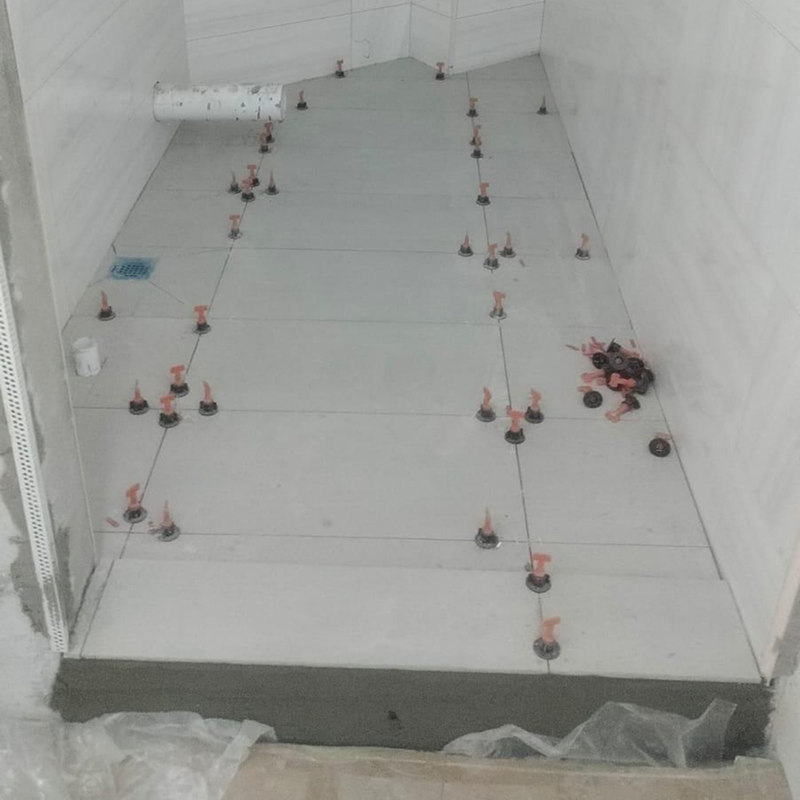
Tiles are laid out in the planned pattern, cut to fit edges and corners using a tile cutting service, and set with the correct adhesive. Spacers maintain consistent grout joints. Level checks are carried out throughout the process to catch and correct any unevenness before the adhesive sets.
Grouting, Sealing and Finishing
Once the tiles have set, the joints are filled with grout in the chosen colour. Grout is pressed firmly into the joints and cleaned from the tile surface before it cures. Sealant is applied to grout and natural stone tiles where required. Skirting tile installation is completed at wall-floor junctions where it is part of the scope.
Cleanup, Inspection and Final Handover
After the tiling is complete and the grout has cured, the site is cleaned and a full inspection is carried out. Every tile is checked for hollow sound, proper alignment, and clean grout lines. Any minor issues are fixed before handover. The client is walked through the finished work before sign-off.
Why Choose AR Tech for Tiling Works?
Experience with Singapore Property Types
- AR Tech Renovation has worked across HDB flats, BTO units, resale flats, condominiums, and landed properties. Each property type has different construction standards, renovation rules, and practical challenges. Our team understands these differences and plans accordingly.
Proper Surface Preparation
- Good tiling starts below the tiles. We do not cut corners on surface preparation. Screeds are levelled, weak areas are repaired, and waterproofing is applied where needed before a single tile goes down. This step is what separates tile work that lasts from tile work that fails early.
Clear and Itemised Scope of Work
- Our quotes are detailed and specific. Customers know exactly what is covered, what is excluded, and what the cost breaks down to. There are no surprise charges at the end of a project.
Clean Workmanship and Site Protection
- We protect the surrounding areas of the work site before starting. Floors, furniture, and fittings that are not part of the tile scope are covered and kept clean. Debris from hacking is bagged and removed properly.
Dedicated Project Coordination
- Each project has a point of contact who manages scheduling, material delivery, and on-site supervision. Customers do not need to chase multiple people to get updates on their project.
Final Inspection and Rectification Support
- Before handover, every tiled surface is inspected thoroughly. Any section that does not meet the standard is rectified before the project is signed off. We do not rush the final checks.
What Matters Most for Tiling Projects
Tile Overlay vs Hacking
Choosing between overlay and hacking is one of the first decisions in any tile project. Overlay works when the existing tiles are solid, level, and well-bonded. It saves time and reduces mess. Hacking is necessary when the base is damaged, hollow throughout, or when the added height from an overlay would cause a problem. Getting this decision right at the start saves cost and avoids rework. We inspect the site and give honest guidance on which approach fits the actual condition.
Existing Surface and Substrate Condition
The surface beneath the tiles carries the entire load of the installation. A weak, damp, or uneven substrate leads to tile failure over time. Before any tile goes down, we check the condition of the screed or plaster, test for hollowness or moisture, and address any issues first. Skipping this step is the most common cause of early tile failures in Singapore renovations
Waterproofing, Drainage and Floor Slope
Bathroom and wet area tiling cannot be done properly without addressing waterproofing and drainage. The floor must slope correctly toward the drain. The waterproofing membrane must cover the full wet zone area. Joints at wall-to-floor junctions must be sealed. These steps are not optional in wet areas. Missing them leads to water damage that is expensive to fix later.
Tile Size, Layout and Grout Width
Larger tiles reduce the number of grout lines and give a cleaner look in smaller rooms. Smaller tiles or mosaic tiles work well in curved areas or irregular shapes. The layout pattern affects how many cuts are needed and how much waste results. Grout width is a design and function decision. Wider grout joints allow for slight size variations in tiles. Narrower joints need precision cutting and more consistent tile sizes. We walk through these options during the planning stage.
Tile Finish and Slip Resistance
Glossy tiles reflect light and look clean, but they can be slippery when wet. Matte and textured finishes offer better grip in wet areas. The slip resistance rating of a tile matters for bathrooms, kitchens, and outdoor areas. We advise on finish selection based on where the tiles will go and who will be using the space, including households with young children or elderly members.
Project Timeline and Site Access
A standard bathroom retile takes two to five days depending on the size and whether hacking is involved. Full-flat tiling takes longer. HDB blocks with restricted lift access or no service lift may affect how quickly materials can be moved in and debris removed. Condo buildings with strict renovation hours also affect scheduling. We plan the timeline with these factors in mind and communicate clearly on what to expect at each stage.

Workmanship Warranty and Quality Checks
Quality Checks Before Handover
Every completed tile surface goes through a tap test for hollow tiles, a visual check for lippage, grout line consistency checks, and an inspection of all cut edges and corners. Wet areas are checked for proper drainage fall and sealed joints before handover.
What the Workmanship Warranty Covers
Our workmanship warranty covers defects that arise from our installation work. This includes tiles becoming hollow or lifting due to adhesion failure, grout cracking or shrinking at joints, incorrect floor slope causing water pooling, and lippage caused by our laying technique.
Warranty Terms and Exclusions
The warranty period and specific terms are stated clearly in the project agreement. The warranty does not cover damage caused by subsequent renovation work by other parties, impact damage, the use of tiles supplied by the customer that have defects, or normal wear and tear over time. We are transparent about what is and is not covered before any work starts.


Recent Tiling Projects in Singapore
Toa Payoh HDB Resale Flat: A four-room flat with tiles that had been laid over the original floor twice already. The third overlay was not viable due to height restrictions at the main door threshold. We hacked all layers back to the concrete base, repaired a damp section near the bathroom wall, screeded level, and retiled the full living, dining, and kitchen floor area with large-format 600mm x 600mm porcelain tiles. The bathroom was waterproofed and retiled with matching wall and floor tiles.
Clementi Condo Unit: The master bathroom had grout that had cracked and stained throughout. Water had started seeping through to the wall behind the vanity. We removed all grout, cleaned the tile joints, reapplied fresh grout, sealed the wall-to-floor junction, and carried out a targeted waterproofing repair at the affected section. No tiles needed to be removed. The bathroom was ready for use within two days.
Bukit Timah Landed Home: A full tiling scope covering three bathrooms, the kitchen, and a large outdoor patio area. Anti-slip outdoor tiles were used on the patio with proper expansion joints and drainage falls. Indoor bathrooms used large-format matte porcelain tiles with recessed niches tiled in mosaic. The project ran over ten working days with phased completion to allow the family to remain in the property during renovation.
Orchard Road Commercial Office: A 2,000 sqft office floor was retiled during a weekend shutdown to minimise business disruption. Old carpet tiles were removed, the concrete floor was levelled with screed, and new 600mm x 600mm homogeneous tiles were installed. The project was completed and ready for the office to open on Monday morning.
Other Services We Offer
Our tiling work often connects to other parts of a renovation. Here are related services we provide that may be relevant to your project.
You Have Questions, We Have Answers
Renovation costs in Singapore vary depending on the size of the property, the scope of works, materials selected, and the condition of the existing space. A bathroom upgrade may cost a few thousand dollars, while a full HDB flat renovation typically runs higher depending on the number of rooms and finishes chosen. The best way to get an accurate figure is to request a detailed site assessment and itemised quotation from AR Tech Renovation.
Yes, tile overlay without hacking works when existing tiles are firmly bonded, level, and the added height does not create problems at doors or thresholds. Hollow or damaged existing tiles make overlay unsuitable. A site inspection confirms whether overlay is viable for your specific floor condition before any work begins.
Tap the tile firmly with a knuckle or coin. A solid tile gives a sharp, clear sound. A hollow tile gives a dull, flat, drum-like sound. For wall tiles, slight movement when pressed lightly indicates a loose bond. Multiple hollow tiles in the same area need a professional assessment before the problem spreads further.
Yes, partial tile replacement is possible when damage is contained. The main challenge is finding matching tiles, as designs go out of production. We recommend keeping spare tiles from any new installation for this reason. If an exact match is unavailable, we discuss the closest alternative or a design solution that makes the repair look deliberate.
Yes. Waterproofing is required in all wet areas in Singapore. HDB renovation guidelines make it mandatory before tiles are laid. A proper waterproofing membrane stops water from penetrating the floor slab and damaging the unit below. Skipping waterproofing is one of the most common causes of bathroom water leakage complaints in Singapore apartments.
A standard HDB toilet takes two to four days. A full master bathroom with shower enclosure and both wall and floor tiling takes four to seven days. Waterproofing requires one to two days of curing time before tiles go on. Actual timing depends on scope, site access, and material availability at the time of the project.
Both options are available. We supply tiles as part of a full supply-and-install package, or we work with tiles you have already purchased. If you supply your own tiles, share the specifications beforehand so we confirm the correct adhesive and method. We also verify your quantity is sufficient for the area, including cuts and expected waste.
Tile hacking is necessary when existing tiles are extensively hollow, the substrate needs repair, the tile layer is too thick from previous overlays, or a waterproofing failure cannot be fixed without removing the tiles. Not every situation requires hacking. We inspect the site first and only recommend it when the condition genuinely calls for it.
Yes. We work in occupied units regularly and plan the scope in sections where possible so residents can use other parts of the home. For bathroom retiling, having access to a second bathroom helps. HDB renovation hours are followed strictly. We communicate the daily work plan clearly so residents know what to expect each day.
Our tiling contractor quote in Singapore covers site measurement, surface preparation, hacking if within scope, waterproofing where required, tile installation, grouting, skirting tile installation, site cleanup, and final inspection. Materials and labour are listed separately. Nothing outside the agreed scope is added without your prior approval and confirmation.
Get a Free Tiling Quote Today
Contact us today for a free tiling contractor quote in Singapore. We cover all property types across Singapore including HDB flats, BTO units, condominiums, landed homes, and commercial spaces. Our team is available for site assessments, urgent tile repairs, and full renovation tiling scopes.